19 Best Sewing Patterns for Beginners: Easy Picks I’d Actually Recommend
I still remember the first time I tried to sew something from a pattern. I picked a dress with darts, facings, and a zipper. It was a disaster. The neckline gaped, the zipper was lumpy, and I ended up hiding the whole thing in a closet for two years.
That’s why I put together this list of the best sewing patterns for beginners. These aren’t the patterns that look cute on Pinterest and then make you cry at your sewing machine. They’re the ones I’d hand to a friend who just bought her first machine and wants to make something she’ll actually finish.
I selected these patterns based on how clear the instructions tend to be, how forgiving the construction is, and whether the finished project is something you’d genuinely want to use or wear.
The patterns with easy sewing patterns for beginners appeal—like simple scrunchies and tote bags—come first, but I also included some simple sewing projects for beginners that push your skills just a little further, like zipper pouches and baby clothes.
Most of these are digital downloads, so you can start sewing today without waiting for a package. If you’ve never used a beginner sewing tutorial PDF before, I’ve got a section on that below, plus guidance on how to read a sewing pattern so the symbols don’t make your eyes cross. Let’s get you from “I have a sewing machine” to “I made this.”
Our Top Picks
- Best Overall: Easy Scrunchie Sewing Pattern — The most forgiving first project. You’ll finish it in twenty minutes and feel like a genius.
- Best for Learning Zippers: Guernsey Zipper Pouch Sewing Pattern X3 — Flat base, no raw edges, and three sizes to practice on.
- Best Garment for Absolute Beginners: Casual Crop Ribbed TankTop — Simple construction and designed for knit fabrics, so it’s forgiving on fit.
Top 19 Sewing Patterns for Beginners
1. Easy Scrunchie Sewing Pattern — The Project You Can Finish Tonight
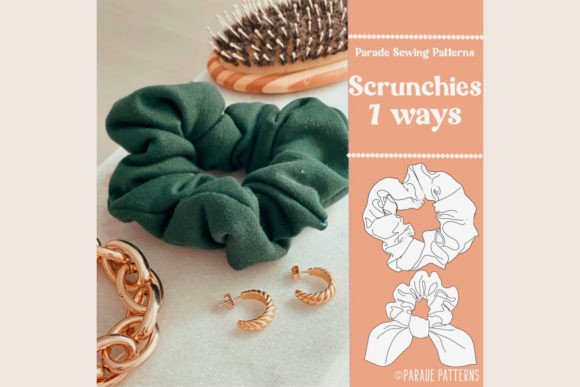
If you’ve never sewn anything before, start here. A scrunchie is basically a tube of fabric with elastic inside, and this pattern from Parade Patterns walks you through it without assuming you know anything. You can make one from a fat quarter you already have. With 2,339 favorites, it’s clearly the pattern people recommend to their friends who just got a machine.
The beauty of a scrunchie as a first project is that it teaches you straight stitching, creating a casing, and threading elastic—all core skills—without any fitting anxiety. If it comes out slightly lopsided, who cares? It still holds your hair.
Best for: Your literal first project ever.
Why I like it: It’s the fastest confidence boost in sewing. You’ll finish before you have time to get discouraged.
- Uses scrap fabric or a single fat quarter
- Teaches elastic insertion and tube turning
- Quick enough to make several in one sitting
2. Guernsey Zipper Pouch Sewing Pattern X3 — Three Sizes, One Skill
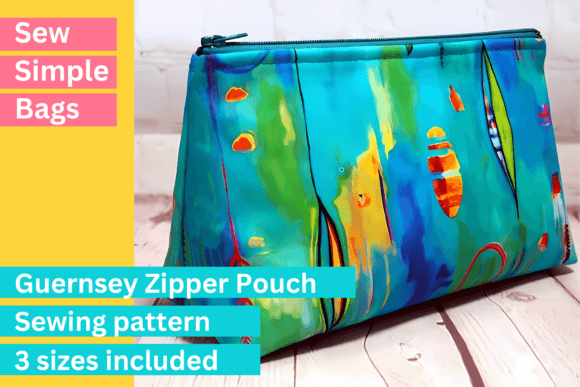
Zippers intimidate beginners. I get it. But this pattern from SewSimpleBags gives you three sizes to practice on, and the flat base construction means you’re not wrestling with curves while you’re also figuring out the zipper foot. The lined bag has no raw edges inside, which makes the finished result look surprisingly professional.
At 779 favorites, it’s one of the more popular patterns in this collection. The three-size format is smart—make the smallest one first as a test, then apply what you learned to the larger versions.
Best for: Getting comfortable with zipper installation.
Why I like it: The flat base design is beginner-friendly, and you get three chances to practice the same skill.
- Three sizes included in one pattern
- No raw edges inside the bag
- Works for cosmetics, craft supplies, or pencils
3. Oxford Purse Sewing Pattern — A Beginner Bag That Looks Store-Bought
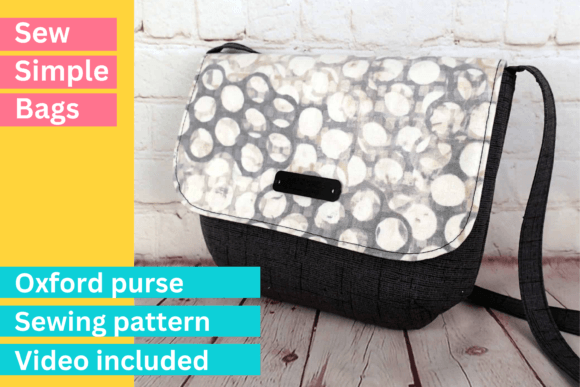
The name says it all: “Easy to Sew.” This purse pattern from SewSimpleBags is designed for beginners who want to make something functional and polished without a lot of fuss. With 611 favorites, it’s clearly a pattern people return to. The construction is straightforward, and the result is a small bag you can actually carry.
If you’ve made a scrunchie and a zipper pouch and you’re ready for the next step, a structured purse is a good challenge. It’s more involved than a simple tote but not as demanding as a garment with fitting.
Best for: Your first “real” accessory project.
Why I like it: It bridges the gap between simple pouches and more complex bags without overwhelming you.
- Designed specifically for beginners
- Functional everyday accessory
- Clear guidance for a professional-looking finish
4. Mini Skirt PDF Sewing Pattern — Simple Garment Construction
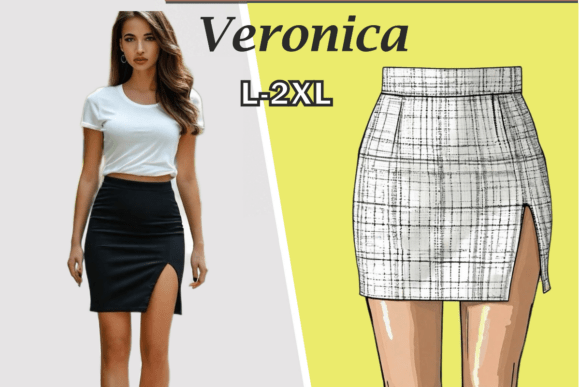
Skirts are often recommended as first garments because they avoid the complicated fitting issues of tops and trousers. This mini skirt pattern from Bunu Patterns is described as simple and stylish, with easy-to-follow PDF instructions. With around 650 favorites, it’s a popular choice for people venturing into garment sewing.
The appeal here is that you’re making something wearable without dealing with sleeves, collars, or buttonholes. A simple elastic-waist or pull-on skirt teaches you how to work with fabric drape, hemming, and basic construction.
Best for: Your first wearable garment.
Why I like it: Skirts are forgiving on fit, and this one is designed for quick, fashionable results.
- Beginner-friendly PDF instructions
- Quick garment project
- Wearable result you can style multiple ways
5. Gnome Sewing Pattern — A Fun Softie Project
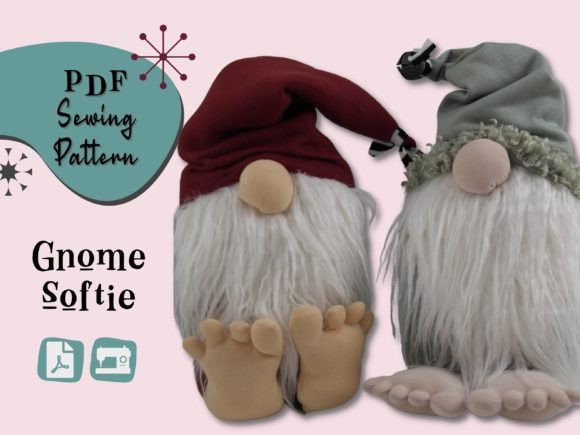
Not everything you sew has to be wearable. This gnome pattern from Ballyhoo Creations is a charming softie project that works for holiday decor or just because. The pattern includes the body, hat, nose, and feet, with instructions for both a fully sewn version and a simpler sock-based variation.
With 982 favorites, it’s one of the more popular patterns in this list. The sock-based option is particularly clever for absolute beginners—it’s a gentler introduction to working with small pieces and shaping.
Best for: A gift project or seasonal decor.
Why I like it: The two difficulty options mean you can start simple and graduate to the fully sewn version.
- Two construction methods included
- Works as holiday decor or handmade gift
- Clear piece-by-piece instructions
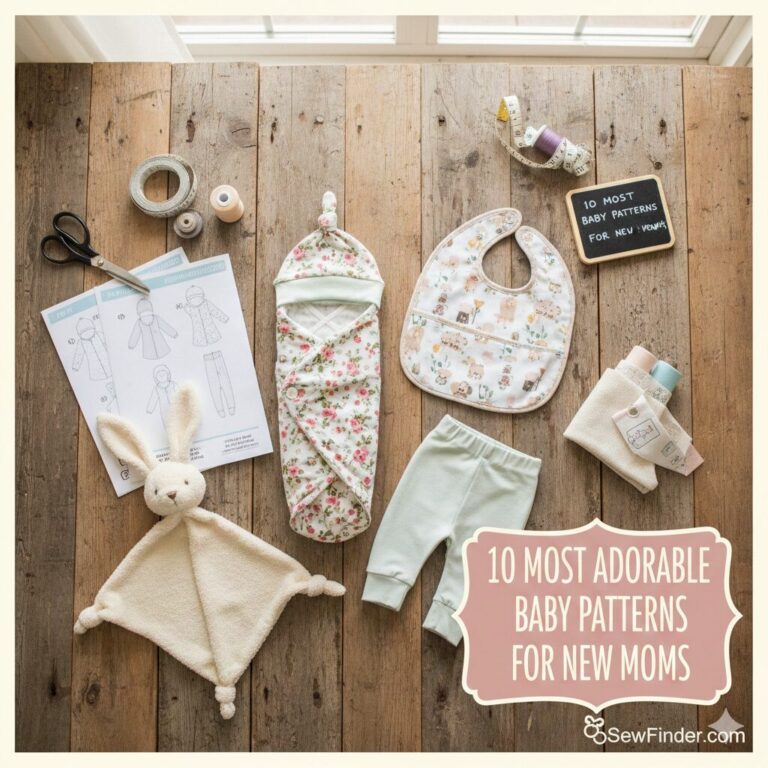
6. Baby Pants Sewing Pattern — Tiny Clothes, Big Learning
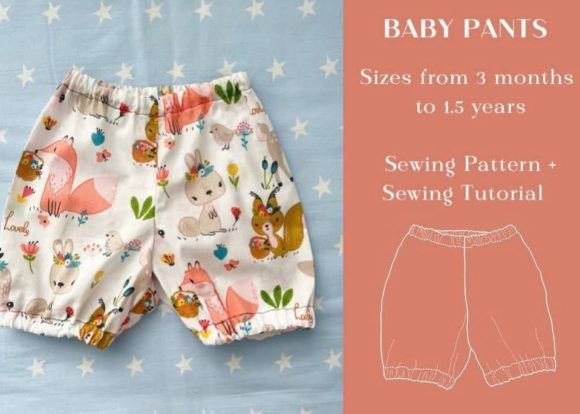
Baby clothes are a smart first garment project for a few reasons: they use very little fabric, they’re small enough to handle easily, and nobody expects a baby to critique your seam allowances. This pattern from Cotton Miracle Studio includes five sizes from 3 months to 1.5 years, with elastic at both the top and bottom.
With 719 favorites, it’s a well-loved pattern. The elastic waistband means no zippers or buttons. The small size means you can use up fabric remnants and finish the project quickly.
Best for: Practicing garment construction on a small scale.
Why I like it: Five sizes in one pattern gives you room to grow, and elastic waistbands are incredibly forgiving.
- Five sizes included (3 months to 1.5 years)
- Elastic at waist and ankles
- Detailed photo instructions
7. Knotted Gown for Baby — Quick Newborn Sewing
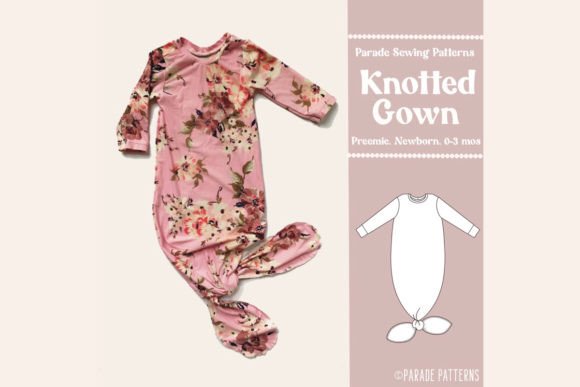
This knotted gown pattern from Parade Patterns is the kind of project that makes you feel like you’ve accomplished something real without needing advanced skills. The simple knot closure at the bottom eliminates the need for snaps or buttons, and the gown itself is essentially a tube with sleeves. With 690 favorites, it’s a popular choice for baby shower gifts.
The construction is straightforward, but you do need to work with stretchy fabric, which can be a little fiddly at first. Consider it a gentle introduction to knits.
Best for: A handmade baby gift that’s actually useful.
Why I like it: The knotted closure is ingenious—no snaps to install, and it makes diaper changes easier.
- Simple knot closure, no snaps needed
- Designed for newborns
- Quick project with practical results
8. Petal Bloomers Sewing Pattern — Sweet Baby Bottoms
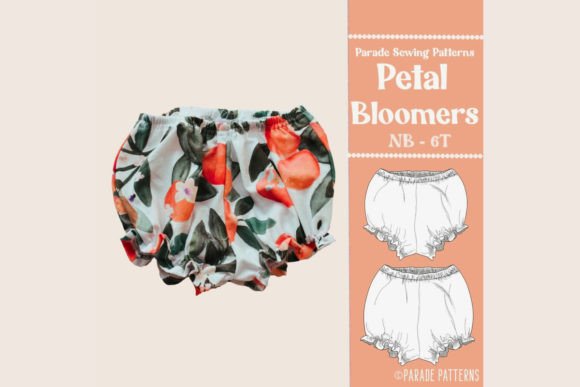
Bloomers are another excellent beginner garment because they’re essentially shorts with a lot of ease. This Petal Bloomers pattern from Parade Patterns includes two versions (Traditional and High-Cut) in five sizes from 0-3 months to 2T. The curved leg openings add a bit of shaping interest without being difficult to sew.
With 703 favorites, it’s clearly a pattern people enjoy making. The bloomers work as diaper covers or standalone summer bottoms.
Best for: Practicing curved seams and elastic casings.
Why I like it: Two style options in one pattern, and the high-waist design is forgiving on fit.
- Five sizes included
- Two leg-opening styles
- Curved seams for skill-building
9. Leather Pattern Body Bag — A Different Kind of Beginner Project
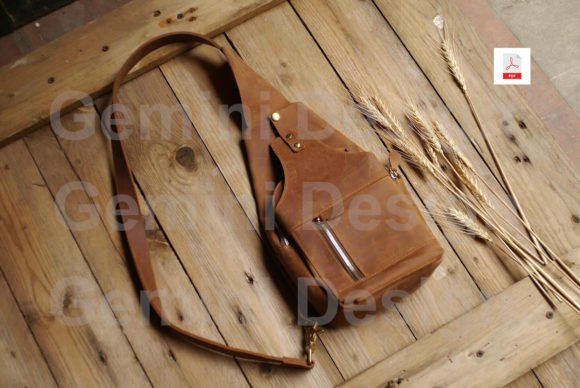
Not all beginner projects are fabric. This leather body bag pattern from Geminidesign includes PDF templates and instructions for a crossbody bag. With 630 favorites, it’s a pattern for people who want something a bit more rugged than the usual cotton tote.
Working with leather is different from fabric—you can’t pin through it without leaving holes, and you need to be more careful with your cuts. But if you’re interested in bag-making, this is a good introduction to a different material.
Best for: Exploring leathercraft or making a durable everyday bag.
Why I like it: It opens up a completely different material without requiring advanced techniques.
- PDF templates and instructions included
- Stylish crossbody design
- Introduction to working with leather
10. Reverse Seams Tote Bag — Three Sizes, One Clever Detail
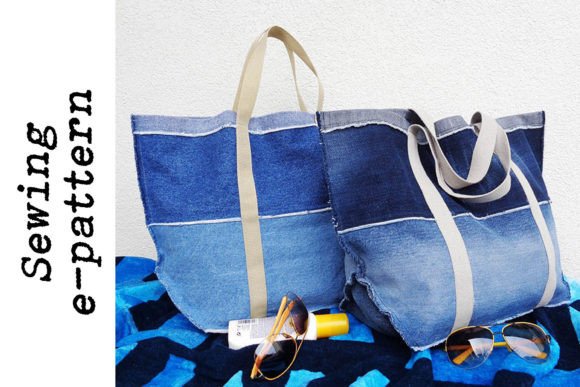
Tote bags are a classic beginner project, but this one from Make it in denim School has a twist: reverse seams that give it a distinctive look. The pattern comes in three sizes, and with 416 favorites, it’s a solid choice for someone who wants a practical bag without a lot of complexity.
The reverse seam detail means you’re seeing the construction as part of the design, which is a nice way to make a simple project feel intentional rather than plain.
Best for: A practical everyday bag with visual interest.
Why I like it: The reverse seams make it look more designed than a basic tote, and three sizes means you can make a set.
- Three sizes included
- Distinctive reverse seam design
- Simple construction for beginners
11. Fanny Pack / Moon Bag — Hands-Free and Beginner-Friendly
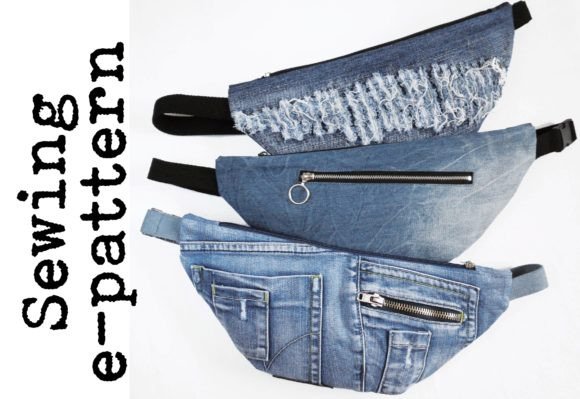
Fanny packs are back, and this pattern from Make it in denim School lets you make your own. With 938 favorites, it’s one of the more popular bag patterns in this collection. The design works with sturdy fabrics, and the description suggests upcycling denim as an option.
For a beginner, a fanny pack is a good project because it’s small, uses minimal fabric, and teaches you how to work with curved seams and a zipper in a contained way.
Best for: A hands-free bag for walks or travel.
Why I like it: The upcycling angle makes it a sustainable project, and the small size means it’s not intimidating.
- Works with denim or sturdy fabrics
- Hands-free design
- Compact beginner project
12. One Pair of Jeans Hobo — Upcycling Made Simple
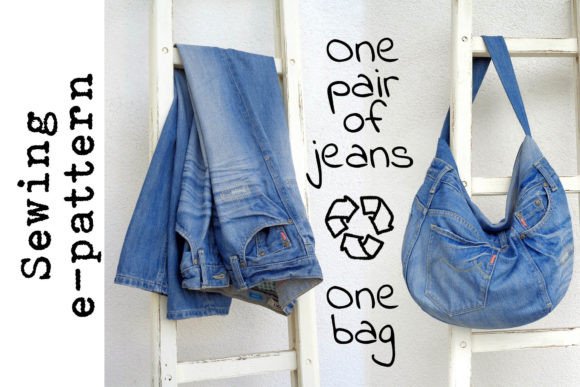
This hobo bag pattern from Make it in denim School is designed to be made from a single pair of old jeans. With 513 favorites, it appeals to sewists who want to be more sustainable with their projects. The construction is described as having detailed steps, which is helpful for beginners.
Upcycling denim is a great way to practice on fabric that’s already broken in and has interesting texture from wear. Plus, if you mess up, you’re out a pair of old jeans, not new fabric.
Best for: A sustainable project with character.
Why I like it: It gives new life to worn denim, and the pre-softened fabric is easier to work with than stiff new material.
- Made from one pair of jeans
- Eco-friendly upcycling project
- Detailed construction steps
13. Japanese Knot Bag — Elegant and No Zipper Required
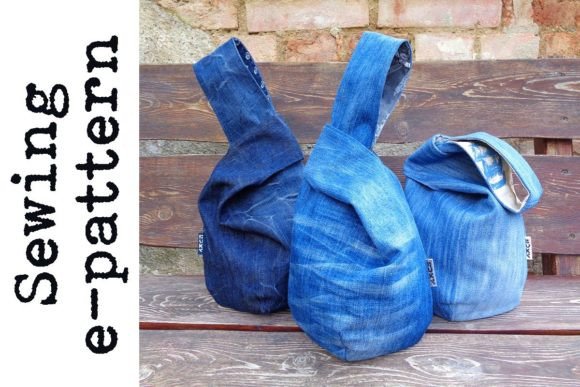
The Japanese knot bag is one of those designs that looks complicated but is actually incredibly simple. It’s two curved pieces of fabric that knot together at the top—no zipper, no buttons, no hardware. This version from Make it in denim School has 360 favorites and is described as ideal for beginners.
The curved shape means you’re practicing sewing curves, but the construction is forgiving because the knot hides a lot. It’s an elegant little bag that makes you look like you know what you’re doing.
Best for: A quick project with an impressive result.
Why I like it: No hardware at all, and the knot closure is both functional and decorative.
- No zipper or buttons needed
- Elegant curved design
- Quick beginner project
14. Hobo Bag — Roomy and Relaxed
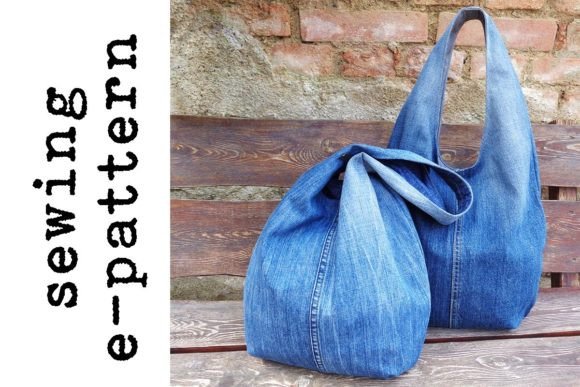
With 1,184 favorites, this hobo bag from Make it in denim School is one of the more popular patterns in this collection. It’s a relaxed, spacious shoulder bag with a comfortable strap and a roomy interior. The construction is straightforward—no complex hardware or closures.
A slouchy bag like this is forgiving because there’s no structured shape to get exactly right. The fabric does most of the work.
Best for: An everyday bag with plenty of room.
Why I like it: The relaxed silhouette hides minor construction imperfections, and it’s genuinely useful.
- Spacious interior
- Comfortable shoulder strap
- Simple, forgiving construction
15. Boxy Pouch — Structured Organization
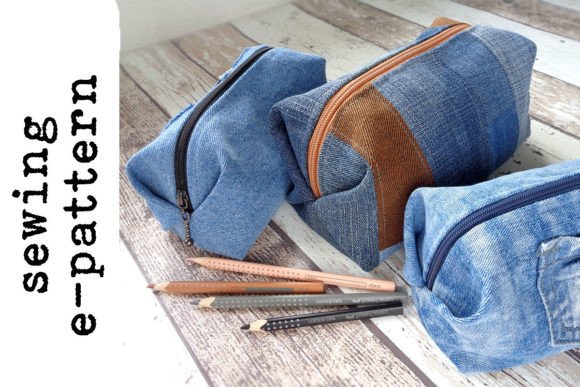
This boxy pouch from Make it in denim School has 965 favorites and is a great project for learning how to create a flat bottom. The structured shape makes it useful for organizing cosmetics, pencils, or small craft supplies. It’s essentially a zipper pouch with corners sewn to create a box shape.
Boxed corners are a fundamental sewing skill that shows up in tote bags, pouches, and even some garments. Learning them on a small project like this is much less stressful than on a large bag.
Best for: Learning boxed corners and zipper installation together.
Why I like it: The structured result looks professional, and the skill transfers to many other projects.
- Teaches boxed corner construction
- Structured, useful shape
- Good size for cosmetics or supplies
16. Slouchy Zipper Bag — Casual and Secure
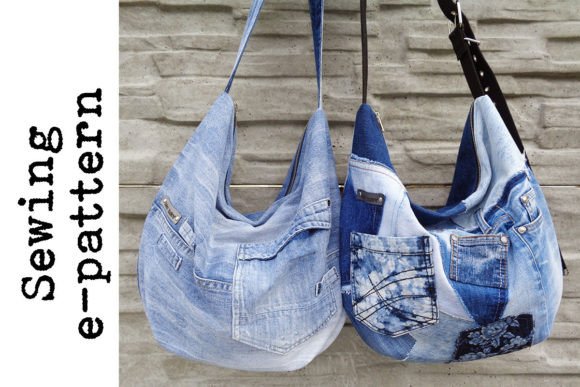
This slouchy zipper bag from Make it in denim School has 646 favorites and offers a relaxed silhouette with a secure zipper closure. It’s a step up from a simple pouch because the slouchy shape requires a bit more attention to construction, but it’s still very achievable for a beginner.
The zipper provides security for everyday carry, and the relaxed shape means you don’t need to fuss over perfect corners.
Best for: A casual everyday bag with a secure closure.
Why I like it: The slouchy design is forgiving, but the zipper makes it feel more finished than an open tote.
- Zipper closure for security
- Relaxed silhouette
- Works with a variety of fabrics
17. Easy Japanese Knot Bag Sewing Pattern — With Clear Instructions
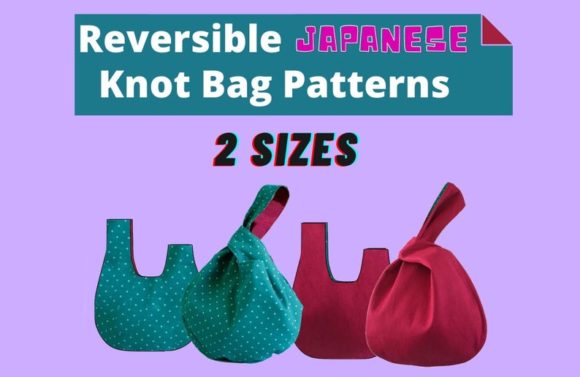
This is a second Japanese knot bag option, this time from VisCulture. With 976 favorites, it’s actually more popular than the other knot bag in this list. The description emphasizes clear, easy-to-follow instructions and printable PDF templates, which is exactly what a beginner needs.
If you’re drawn to the knot bag style but want the most straightforward version, this is probably the one to choose. High favorites usually mean people found it approachable.
Best for: A beginner-friendly version of a stylish bag.
Why I like it: The printable templates and clear instructions remove a lot of the guesswork.
- 976 favorites suggests high satisfaction
- Printable PDF templates
- Clear beginner instructions
18. Casual Crop Ribbed TankTop — Simple Knit Garment
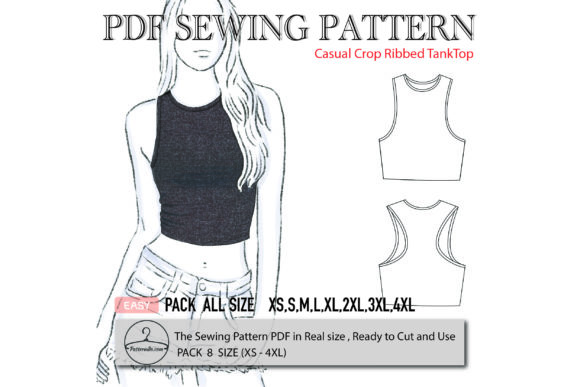
This crop tank from patternido has 917 favorites and is described as having simple construction, making it suitable for beginners. It’s designed for knit fabrics, which means it’s stretchy and forgiving on fit. You’ll need a ballpoint needle and a zigzag stitch or serger, but the garment itself is straightforward.
Knit fabrics can be intimidating, but a simple tank top is actually a good way to start because there are no zippers, no buttons, and the stretch means small fitting issues are less noticeable.
Best for: Your first knit garment.
Why I like it: Knits are forgiving, and a tank top is a manageable introduction to sewing with stretch fabric.
- Simple construction for beginners
- Designed for knit fabrics
- Quick summer wardrobe project
19. Storage Basket Sewing Pattern — Useful and Sturdy
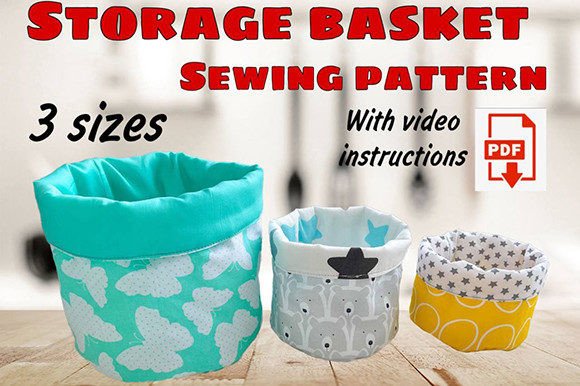
This storage basket from Cotton Miracle Studio has 1,417 favorites, making it the most popular pattern in this collection. It’s a sturdy fabric basket that works for nurseries, bathrooms, or craft rooms. The construction is simple—essentially a lined cylinder or box with a folded top edge.
Home decor projects like this are satisfying because you end up with something genuinely useful, and there’s no fitting involved. You can also use interfacing to make it sturdier, which is a good skill to learn.
Best for: A useful home organization project.
Why I like it: The highest favorites count in this list suggests it’s a pattern people actually finish and enjoy.
- 1,417 favorites—most popular in this list
- Useful storage for any room
- Simple construction, no fitting
How to Choose the Right Sewing Pattern for You
Before you download anything, it helps to think about what kind of beginner you are. Some people want instant gratification—a project they can finish in an hour. Others want to build skills systematically. Both approaches are valid.
Match the Pattern to Your Current Skill Level
An “easy sewing pattern for beginners” can mean different things. A scrunchie is beginner-level. A lined zipper pouch is also beginner-level, but it teaches more skills. A simple skirt is beginner-level, but it involves fitting. Be honest with yourself about whether you want a confidence boost or a learning challenge.
Consider What You’ll Actually Use
There’s no point making a beautiful bag if you already have twenty bags. Think about what you need: a new pouch for your makeup, a basket for your yarn, a simple top for summer. Projects you’ll use are projects you’ll be motivated to finish.
Start with Woven Fabrics
Most of the patterns in this list work best with woven fabrics like cotton, linen, or canvas. These are stable and don’t stretch while you’re sewing, which makes them much easier to handle than knits. Save the stretchy fabrics for after you’re comfortable with the basics.
Check the Format Before You Buy
Some patterns are PDF downloads you print at home. Others are printed paper patterns that ship to you. PDFs are usually instant and cheaper, but you have to assemble them (more on that below). Paper patterns are ready to use but take longer to arrive.
Look for Patterns That Teach a Skill
The best beginner patterns aren’t just easy—they teach you something. A zipper pouch teaches zippers. A boxy pouch teaches boxed corners. A simple garment teaches fitting. Choose patterns that build on each other, and you’ll be sewing intermediate projects before you know it.
How to Read a Sewing Pattern (Without Losing Your Mind)
Pattern symbols can look like a secret code, but most of them are pretty straightforward once someone explains them. Here’s what you actually need to know.
The Grainline Arrow
This long straight arrow shows you how the pattern piece should align with the fabric grain. The grainline runs parallel to the selvage (the finished edge of the fabric). Getting this wrong can make your garment twist or hang strangely. When in doubt, measure from the arrow to the selvage at both ends to make sure it’s parallel.
Seam Allowance
Seam allowance is the space between the edge of the fabric and your stitching line. Many PDF patterns include it (usually 3/8″ or 1/2″), but some don’t. Check the instructions before you cut. If it’s not included, you’ll need to add it yourself, which means drawing a new cutting line.
Notches and Dots
Notches are those little triangles or marks on the pattern edges. They show you how pieces match up. When you’re sewing, you’ll align the notches on one piece with the corresponding notches on another. Dots usually mark the start of darts or other important points. Transfer them to your fabric with chalk or a washable marker before you sew.
Cutting Lines vs. Stitching Lines
Cutting lines are usually solid. Stitching lines, if marked, are usually dashed. Some patterns have multiple cutting lines for different sizes—make sure you’re cutting the right one for your measurements.
PDF Pattern Assembly
If you’re using a downloadable PDF pattern, you’ll need to print it and tape the pages together. Always print at “actual size” or “100% scale”—not “fit to page.” Most PDF patterns include a test square so you can verify the scale before you assemble the whole thing. It’s a bit of a puzzle, but it’s not hard once you get the hang of it.
🧵 Frequently Asked Questions
What’s the easiest sewing pattern for a complete beginner?
How do I know if a PDF pattern is actually beginner-friendly?
Look for patterns that say “beginner” or “confident beginner” in the description. Check the number of pattern pieces—fewer pieces usually means simpler construction. Also look for patterns that include detailed instructions or photo tutorials, which are much easier to follow than text-only directions.
What fabric should I use for my first project?
Start with woven cotton, linen, or canvas. These fabrics are stable, don’t stretch, and are easy to press. Avoid slippery fabrics like silk or satin, and save stretchy knits for after you’re comfortable with the basics.
Do I need a serger to sew these patterns?
No. All of the patterns in this list can be sewn on a regular sewing machine. A serger is nice for finishing seams, but you can use a zigzag stitch or pinking shears instead.
How long does it take to sew a beginner project?
It depends on the project. A scrunchie takes about 20 minutes. A zipper pouch might take an hour. A simple garment could take two to four hours, especially if you’re new to reading patterns. Don’t rush—enjoy the process.
Where can I find free printable sewing patterns for beginners?
You can find a wide variety of free printable sewing patterns for beginners on Creative Fabrica. They offer a great selection of easy-to-follow patterns that are perfect for those just starting out. Simply visit their website and browse this section to get started.
Final Thoughts: Start Simple, Finish Something
The biggest mistake beginners make is choosing a project that’s too ambitious. I know because I’ve done it. You pick a beautiful dress pattern with darts and facings, you buy expensive fabric, and then you get stuck halfway through and the whole thing sits in a bag for months.
Don’t do that. Start with something you can finish. The scrunchie is a cliché for a reason—it works. The Japanese knot bag looks impressive but takes an afternoon. The storage basket is useful and forgiving. Finish a few small projects, build your confidence, and then tackle that dress.
If you want a single recommendation, I’d start with the Easy Scrunchie Sewing Pattern to get your feet wet, then move to the Guernsey Zipper Pouch to learn zippers, and then try the Casual Crop Ribbed TankTop for your first garment. That progression will take you from “I just got a sewing machine” to “I can make things I actually wear.”
And remember: every sewist you admire has made things that didn’t turn out. The only difference is they kept going. You’ve got this.
You may also like:
Quick note: Some of the links in this article are affiliate links. This means that if you choose to make a purchase, I will earn a tiny commission that goes towards more fabric and thread for my next DIYs. Of course, this is at no extra cost to you. Thank you for supporting SewFinder!💋