27 Best Online Sewing Classes for Beginners: Learn to Sew From Scratch
I still remember sitting at my first sewing machine, convinced I was going to break it. The manual was useless, the thread kept tangling, and every tutorial I found assumed I already knew things I didn’t. If that sounds familiar, this guide is for you. I’ve put together 27 online sewing classes for beginners that actually teach you what you need to know, in the order you need to know it.
These aren’t random picks. I focused on classes that help you learn to sew from scratch — understanding your machine, reading patterns, and finishing real projects. I weighted relevance over popularity, because a class about bag straps isn’t as useful to a total beginner as one that teaches you how to sew a straight seam. Every class here is rated 5.0, and I noted the ones with especially strong followings where it made sense.
Whether you’re looking for beginner sewing video tutorials to get started, step-by-step sewing lessons that build skills in order, or easy sewing projects for beginners you can finish in an afternoon, there’s something here. Some of these are technique classes, some are project classes, and a few will teach you skills you’ll use for the rest of your sewing life.
👇 Quick Navigation: Jump to Any Sewing Class
- 1. Sew a Quick and Simple Pillow Case
- 2. Everything You Need to Know About PDF Sewing Patterns
- 3. Beginner Friendly Ways to Sew Cushions
- 4. Serger Quick Start Guide
- 5. Sewing Patterns 101: Learn to Read Sewing Patterns
- 6. How to Make a Simple, Lined Zipper Pouch
- 7. Taking Measurements for Garment Making
- 8. Sewing a Plant Pot Cover
- 9. Hand Sewing for Beginners: Stitching Techniques
- 10. Making the Shazzy Wristlet
- 11. 4 Easy Scrap Buster Baby Toys
- 12. Learn to Sew an Easy DIY Apron
- 13. Making a Lined Zipper Pouch
- 14. Tightening the Waist of Pants, Shorts and Skirts
- 15. Sewing a Square Cushion with a Heart Patch
- 16. How to Make Different Types of Bag Straps and Handles
- 17. How to Sew a Make-Up Bag
- 18. Altering a Dress to Fit Tighter
- 19. Make Your Own Stitch Pouch
- 20. How to Make a Mesh Produce Bag
- 21. Resizing a T-Shirt to a Crop Top
- 22. Pattern Drafting in Adobe Illustrator for Beginners
- 23. Sewing Monster Stuffies
- 24. Getting Started with Doll Clothes Sewing
- 25. Sewing a Hoodie for a Stuffed Animal or Teddy Bear
- 26. Making Sublimation and Sewing Pillows
- 27. Sewing Cute Pastel Chubby Christmas Birds
🏆 My Top Picks
- Best Overall for Absolute Beginners: Sew a Quick and Simple Pillow Case — the classic first project that teaches measuring, straight seams, and a clean finish without zippers.
- Best Skill Investment: Sewing Patterns 101: Learn to Read Sewing Patterns — unlocks every pattern you’ll ever want to sew, with the highest favorites count in this list.
- Best for Fast Confidence: Beginner Friendly Ways to Sew Cushions — two finished cushion covers from one class, with no prior experience required.
🎯 Top 27 Online Sewing Classes for Beginners
1. Sew a Quick and Simple Pillow Case — The Classic First Project
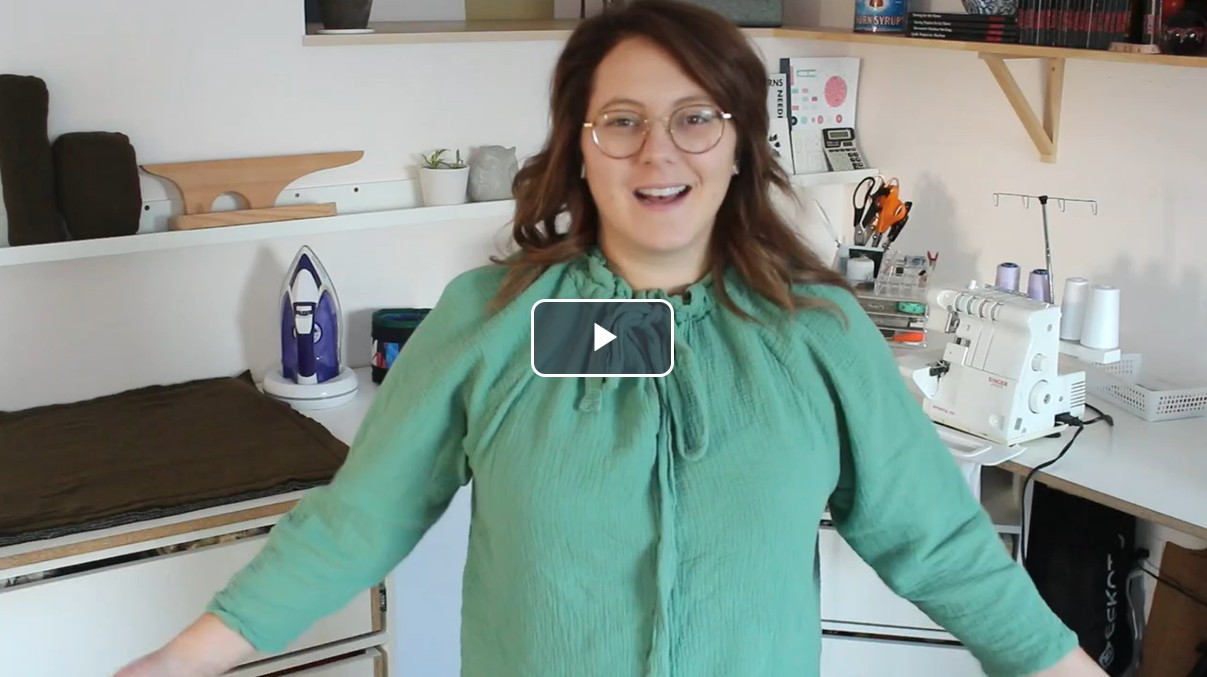
The envelope pillowcase is the project I recommend to every absolute beginner, and this class teaches it in a single sitting. No zippers, no buttons — just precise measuring, straight sewing, and a clean finish. With 159 favorites, it’s clearly a class people trust.
Pillowcases are forgiving, useful, and fast. You finish the class with something you’ll actually use, which matters for momentum. The skills you practice here — straight seams, consistent seam allowance, pressing — apply to everything else you’ll ever sew.
Best for: Absolute beginners who want a finished project in one sitting.
Why I like it: It’s the single best project for building straight-seam confidence.
Pairing idea: Make a matching pillowcase set with seasonal fabric for a quick home decor refresh.
- Master the classic envelope pillowcase
- No zippers or buttons required
- Precise measuring and straight sewing practice
2. Everything You Need to Know About PDF Sewing Patterns — Access Thousands of Designs
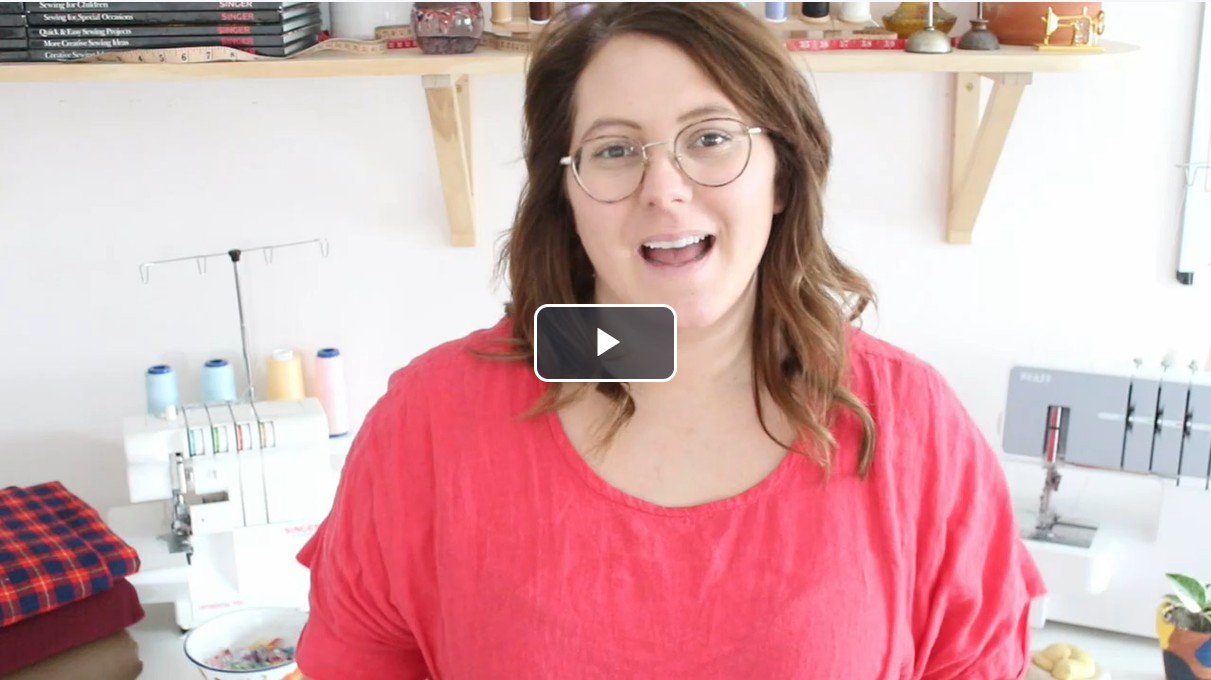
With over 300 favorites, this is one of the most popular classes in this entire list. It covers choosing, purchasing, downloading, and assembling digital PDF patterns — the format most indie designers use now. If you’ve ever bought a pattern online and felt lost when the files appeared, this fixes that.
PDF patterns have largely replaced paper patterns for home sewists, and knowing how to handle them means you can access thousands of designs instantly. This class treats that skill as essential, not optional.
Best for: Anyone who wants to use the huge range of digital patterns available online.
Why I like it: It’s practical and unglamorous, but it opens up more project options than almost any other class here.
Pairing idea: Download a beginner PDF pattern for a simple top or pajama pants and sew your first garment.
- Learn to choose and purchase PDF patterns
- Understand downloading and file assembly
- Access the full range of indie designer patterns
3. Beginner Friendly Ways to Sew Cushions — Two Covers, One Class
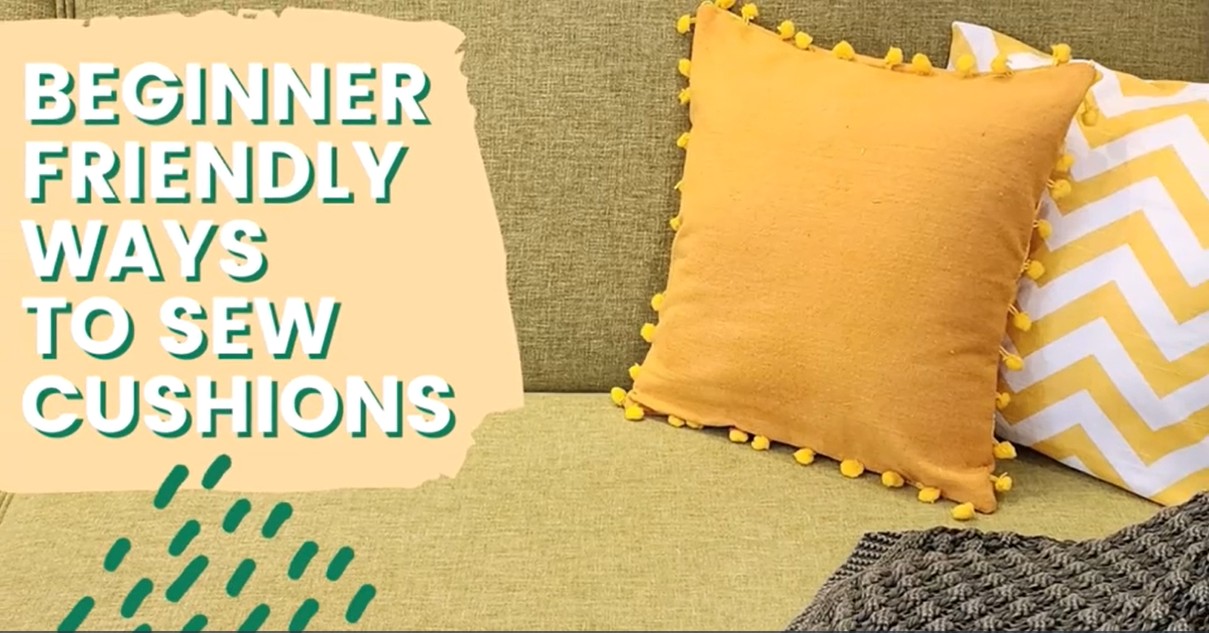
Join Megha for a class that produces two 12×12 cushion covers — a solid introduction to cushion construction with no prior sewing knowledge required. The small size makes these quick to finish, and finishing two of them means the techniques actually stick.
Cushions are one of the best beginner projects because they’re forgiving and useful. A set of these in seasonal fabric makes a lovely handmade gift or a decor upgrade.
Best for: True beginners who want two finished projects from one class.
Why I like it: Two completed covers in one sitting builds momentum that single-project classes sometimes don’t.
Pairing idea: Make a festive pair for a holiday reading nook, or gift them with a matching throw blanket.
- Make two complete 12×12 cushion covers
- No prior sewing experience needed
- Quick, satisfying beginner project
4. Serger Quick Start Guide — Demystify Your Overlocker

Sergers intimidate almost everyone at first. Four threads, tension dials, and a completely different threading path from a regular machine — it’s a lot. This class walks you through threading, tension adjustment, and basic serging operations with a clear, sequential approach.
With over 200 favorites, it’s one of the most popular classes here, and that makes sense. A serger isn’t essential for beginners, but if you have one, knowing how to use it opens up professional-looking seam finishes and faster construction.
Best for: Beginners who own a serger and want to use it confidently.
Why I like it: It turns an intimidating machine into a useful tool instead of a dust collector.
Pairing idea: Use your serger to finish seams on a t-shirt or simple knit garment for a professional interior.
- Learn to thread a serger correctly
- Understand tension adjustment
- Perform basic serging operations
5. Sewing Patterns 101: Learn to Read Sewing Patterns — Unlock Any Pattern
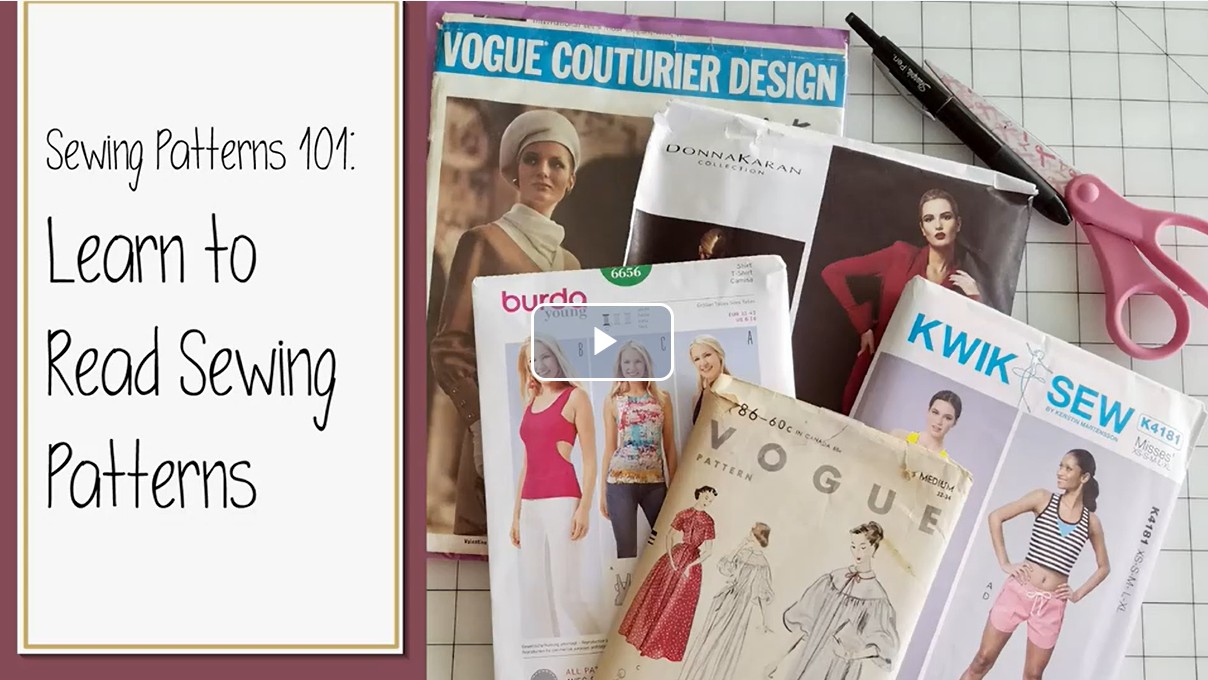
Pattern symbols look like a secret code until someone explains them. This class covers printed envelopes, PDF patterns, and vintage patterns — printing, assembling, and deciphering all those notches, grainlines, and markings. With 332 favorites, it’s the most-favorited class in this entire list.
Pattern literacy is the difference between being limited to tutorials and being able to sew anything you find a pattern for. Once you can read a pattern, you’re no longer dependent on step-by-step guides.
Best for: Moving from tutorials to independent pattern sewing.
Why I like it: It removes the biggest barrier between beginners and real sewing freedom.
Pairing idea: Once you can read patterns, pick a simple skirt or top pattern and make your first garment from scratch.
- Learn to read printed, PDF, and vintage patterns
- Understand pattern symbols and layout
- Opens up the entire world of commercial patterns
6. How to Make a Simple, Lined Zipper Pouch — Conquer the Zipper
Zippers have a reputation for being the hardest part of bag-making, and this class exists to fix that. It’s a step-by-step guide to creating a fully lined, professional-looking zipper pouch. With 178 favorites, it’s one of the most trusted classes for this specific skill.
Once you can make a lined zipper pouch, you can make ten. The technique applies to make-up bags, pencil cases, travel organizers, and more. It’s a skill that pays off repeatedly.
Best for: Anyone who’s been avoiding zippers and wants to learn them properly.
Why I like it: It tackles the single most intimidating beginner skill with a clear, sequential approach.
Pairing idea: Sew a set of festive pouches in different sizes and give them as coordinated gifts.
- Learn zipper insertion step by step
- Create a fully lined, professional finish
- Versatile pouch for cosmetics, pencils, or travel
7. Taking Measurements for Garment Making — Fit Starts Here
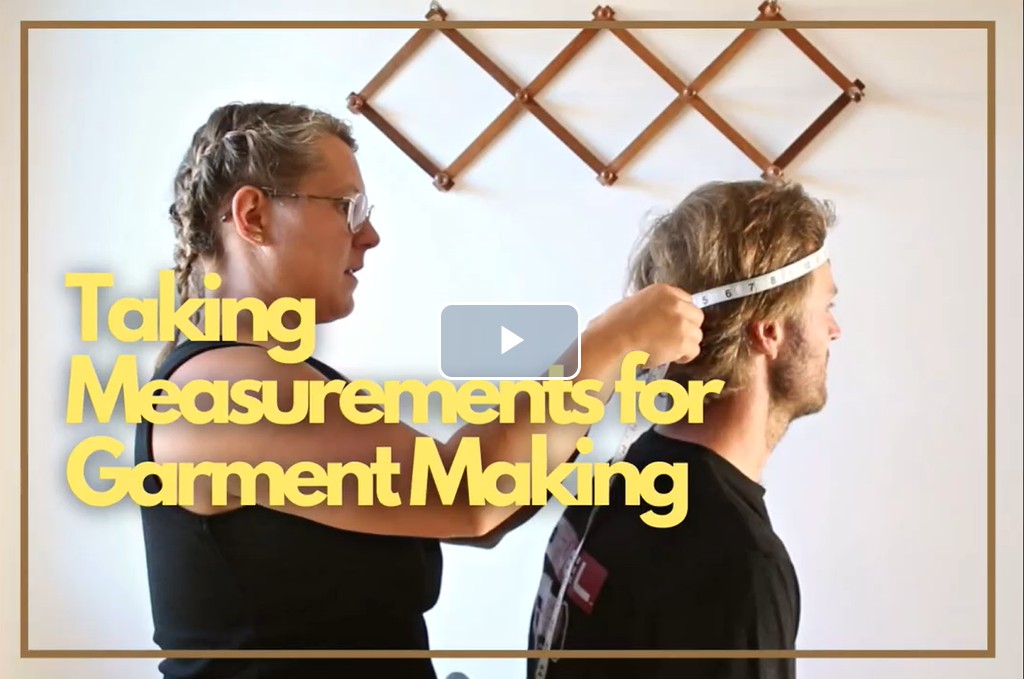
Every body is different, and that’s exactly why accurate measurements matter. This class covers which measurements to take for great-fitting garments and how to take them correctly. With 153 favorites, it’s one of the most popular classes in this list.
If you’ve ever sewn a garment that didn’t fit right, the problem probably started with measurements. Learning this early saves you from making the same mistake repeatedly. It’s not glamorous, but it’s foundational.
Best for: Anyone planning to sew clothing rather than just accessories.
Why I like it: It treats fit as something you can learn rather than something you either have or don’t.
Pairing idea: Take your measurements before starting any garment project — a skirt, a top, or pajama pants.
- Learn which measurements matter for garment fitting
- Understand how to take accurate measurements
- Foundation for all future clothing projects
8. Sewing a Plant Pot Cover — Quick Home Decor Refresh
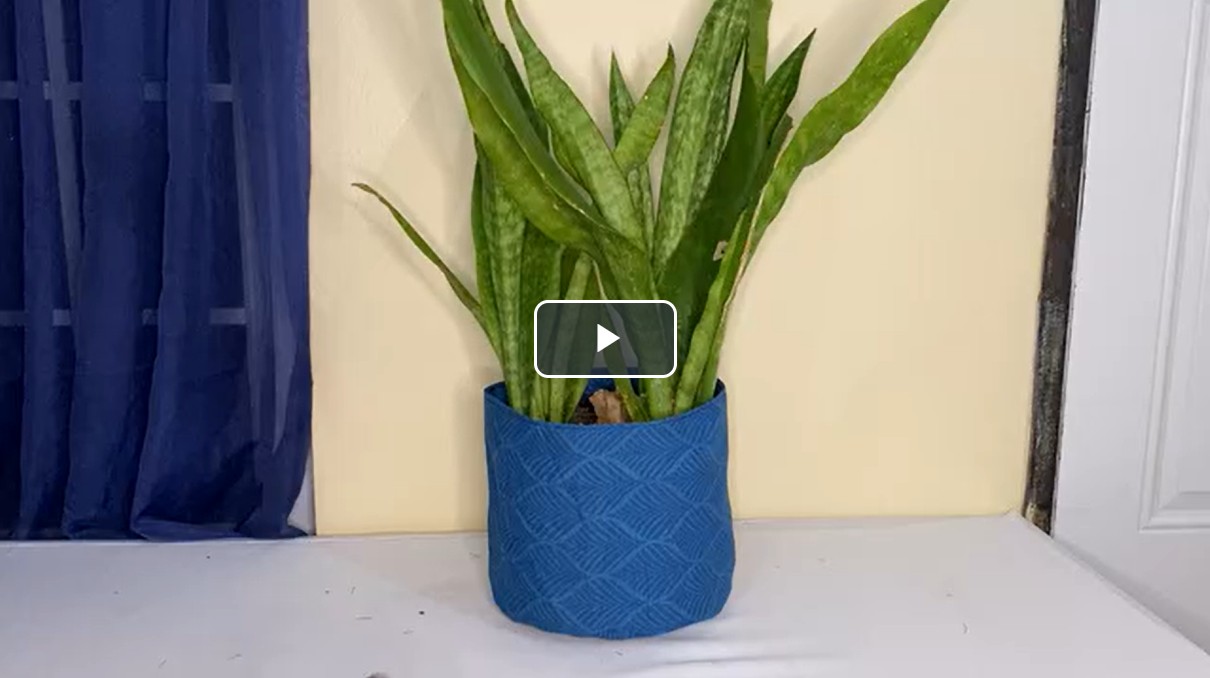
Plant pot covers are a quick way to add handmade charm to your home, and this class teaches basic cylindrical sewing and hemming. It’s a short project, which makes it ideal for batch-making or for using up smaller pieces of fabric.
A fabric pot cover in a color that matches your decor is a subtle, tasteful bit of home styling. It’s also a nice gift for plant-loving friends, especially paired with a small plant.
Best for: Quick handmade decor and small gifts for plant lovers.
Why I like it: It’s fast, it uses small fabric pieces, and the result is genuinely charming.
Pairing idea: Sew a cover and gift it wrapped around a small potted plant or herb.
- Learn basic cylindrical sewing and hemming
- Quick project for using smaller fabric pieces
- Adds handmade charm to home decor
9. Hand Sewing for Beginners: Stitching Techniques — The Foundation Skill
Even if you mostly sew by machine, hand-stitching skills matter. This class covers the main hand stitches used to create strong seams and tidy hems, and it’s aimed at beginners as well as historical sewing enthusiasts. With 180 favorites, it’s clearly a class people return to.
Hand finishing is where a lot of the polish in a garment comes from. If you want to add hand-embroidered details or finish a hem invisibly, this is the class that teaches you how.
Best for: Building the hand-sewing foundation that improves every project.
Why I like it: It’s the skill that makes your work look intentional and finished rather than rushed.
Pairing idea: Use these stitches to add hand-embroidered details to cushions or finish the hem of a simple skirt.
- Learn the main hand stitches for seams and hems
- Suitable for beginners and historical sewing fans
- Improves the finish quality of all your projects
10. Making the Shazzy Wristlet — Small Bag with Big Skills
The Shazzy Wristlet is a chic little pouch with a wrist strap, and making one teaches you cutting, interfacing, and assembly. Interfacing is one of those materials beginners often skip, and skipping it is why homemade bags sometimes look floppy. With 110 favorites, this class clearly resonates.
A wristlet is a great gift for teens, bridesmaids, or anyone who wants to carry just the essentials. It’s a small project that produces something genuinely polished-looking.
Best for: Small, stylish gifts and learning to work with interfacing.
Why I like it: It’s a small project that produces something genuinely polished-looking.
Pairing idea: Embroider a monogram on the front and gift it as a personalized present.
- Learn cutting, interfacing, and assembly
- Create a functional wristlet with a strap
- Small enough to finish in one session
11. 4 Easy Scrap Buster Baby Toys — Upcycled Gifts
If you have a scrap bin that’s gotten out of control, this class turns that pile into four adorable baby toys. The focus is on simple shapes, secure stitching, and creative upcycling. Secure stitching matters enormously here because these are going to a baby.
Four projects in one class is a good value, and making multiples means you can knock out several small gifts in an afternoon. Add a little embroidered detail or a monogram and you’ve got a genuinely personal present.
Best for: Making small, safe, handmade gifts while clearing out fabric scraps.
Why I like it: Four projects, one class, and a use for all those leftover pieces you can’t throw away.
Pairing idea: Bundle a set of these toys with a handmade baby blanket for a baby shower gift.
- Turn fabric scraps into four finished toys
- Learn secure stitching techniques for items handled by babies
- Simple shapes make this approachable for beginners
12. Learn to Sew an Easy DIY Apron — Practical Gift Making
Aprons are one of the most useful things you can sew as a gift, and this class covers straight seams, tie creation, and an optional pocket. It’s a beginner-friendly project that produces something people actually wear. With 109 favorites, it’s a solid choice.
An apron in a favorite color — with an embroidered name or a small motif on the pocket — is a thoughtful gift for anyone who cooks or bakes. It’s also a great project for practicing topstitching and creating clean edges.
Best for: Practical handmade gifts for cooks, bakers, and crafters.
Why I like it: It’s simple enough to finish in an afternoon but useful enough to give with confidence.
Pairing idea: Sew a matching apron and oven mitt set, or pair the apron with a nice bottle of olive oil.
- Learn straight seams and tie construction
- Optional pocket addition for customization
- Creates a genuinely useful everyday item
13. Making a Lined Zipper Pouch — Refining the Details
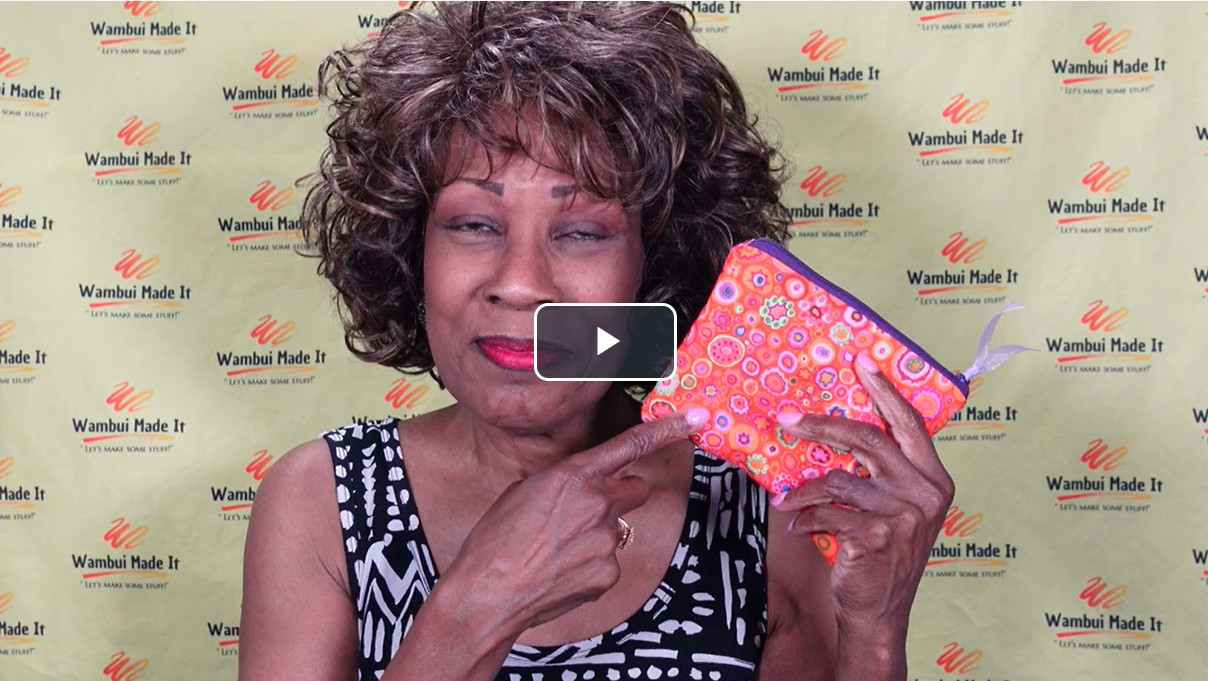
This is the natural follow-up to the class above, and it focuses on the details that separate a functional pouch from a beautifully finished one: neat corners, precise zipper insertion, and clean finishing. With 125 favorites, it’s clearly a class people take after mastering the basics.
Neat corners are where beginner pouches usually show their seams. Getting those crisp makes everything else look intentional. If you’ve made one pouch and want the next one to look noticeably better, this is where to go.
Best for: Sewists who’ve made a basic pouch and want to improve their finish quality.
Why I like it: It’s a refinement class, not a repeat — it assumes the basics and pushes you toward better results.
Pairing idea: Make a matching set of pouches in three sizes for a travel-themed gift.
- Focus on neat corners and precise zipper insertion
- Builds on basic pouch-making skills
- Emphasizes clean finishing throughout
14. Tightening the Waist of Pants, Shorts and Skirts — Practical Fit Adjustments
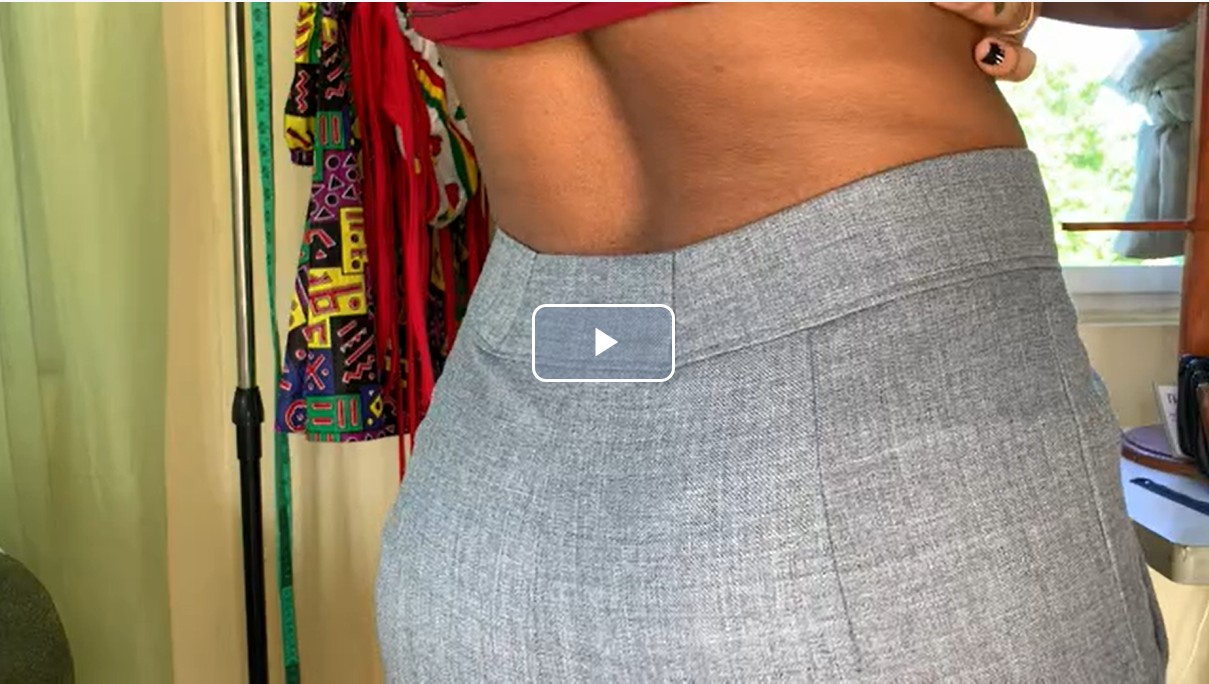
Taking in a waistband is one of the most practical sewing skills you can learn, and this class makes it approachable. It covers adjusting the fit of pants, shorts, and skirts without altering the overall shape. With 109 favorites, it’s clearly a class people find useful.
Alterations are often the first real-world sewing people do, and getting a waistband right means you can actually fix clothes that don’t fit. It’s a skill that pays for itself immediately.
Best for: Beginners who want to alter existing clothing rather than sew from scratch.
Why I like it: It solves a problem everyone has — clothes that don’t quite fit — with a repeatable technique.
Pairing idea: Practice on a pair of thrifted pants before altering a piece you actually care about.
- Learn to take in a waistband properly
- Adjust fit without changing garment shape
- Practical skill for everyday alterations
15. Sewing a Square Cushion with a Heart Patch — Applique Practice
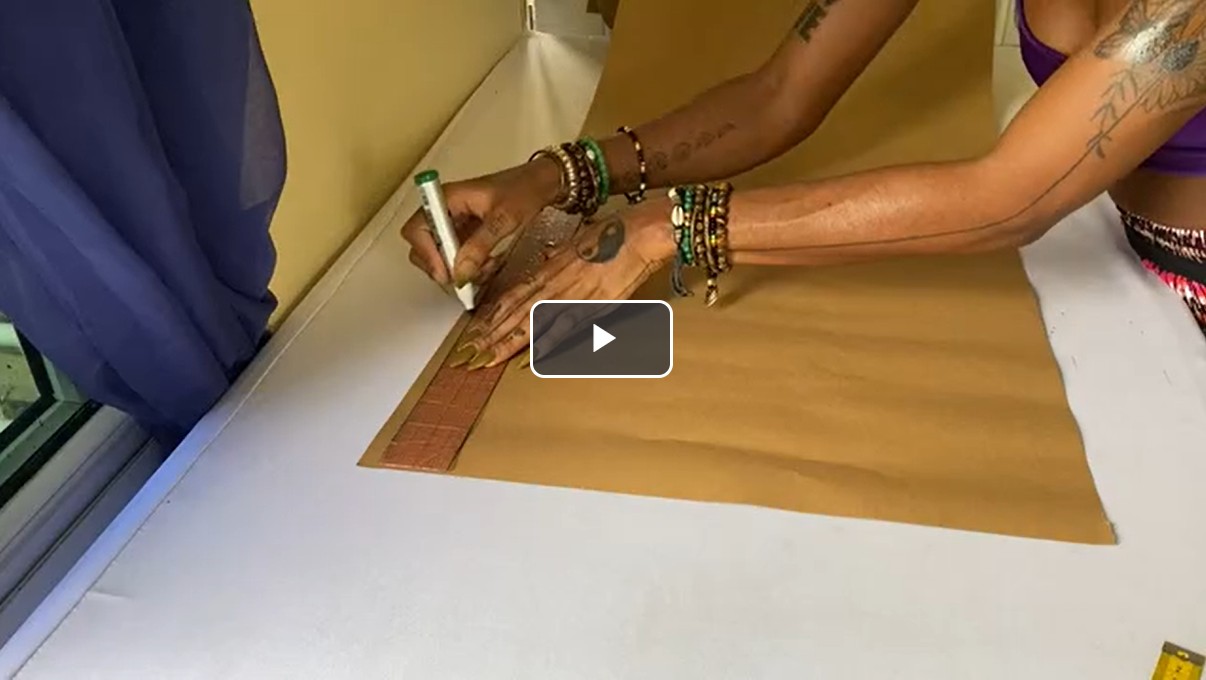
Applique is one of the most useful techniques for adding decorative shapes to finished projects. This class has you practice applique and straight-line sewing by making a square cushion with a heart patch. It’s low-stress and the result is genuinely charming.
Once you’ve done a heart, you can do a snowflake or a star. The technique is the same, and suddenly you can add applique to anything.
Best for: Learning applique technique through a simple, attractive project.
Why I like it: Applique opens up a huge range of decorative designs without needing an embroidery machine.
Pairing idea: Make a set of these cushions in seasonal colors for a sofa refresh.
- Learn applique and straight-line sewing
- Low-stress project for absolute beginners
- Creates a charming piece of home decor
16. How to Make Different Types of Bag Straps and Handles — Upgrade Any Bag
Straps and handles are where a lot of homemade bags fall short. This class teaches you to create sturdy, professional straps and handles using fabric tubes, webbing, and reinforced attachment methods. With 149 favorites, it’s clearly a class bag-makers rely on.
If you’re making bags as gifts, better straps make the difference between something that looks handmade and something that looks handmade well. The reinforced attachment methods are particularly worth learning because that’s where bags typically fail.
Best for: Bag-makers who want their finished pieces to hold up and look professional.
Why I like it: It solves a specific, common weakness in handmade bags with clear techniques.
Pairing idea: Use these techniques on any tote or bag project to elevate the finished result.
- Learn multiple strap construction methods
- Understand reinforced attachment techniques
- Improves durability and appearance of handmade bags
17. How to Sew a Make-Up Bag — Zippered Pouch Basics
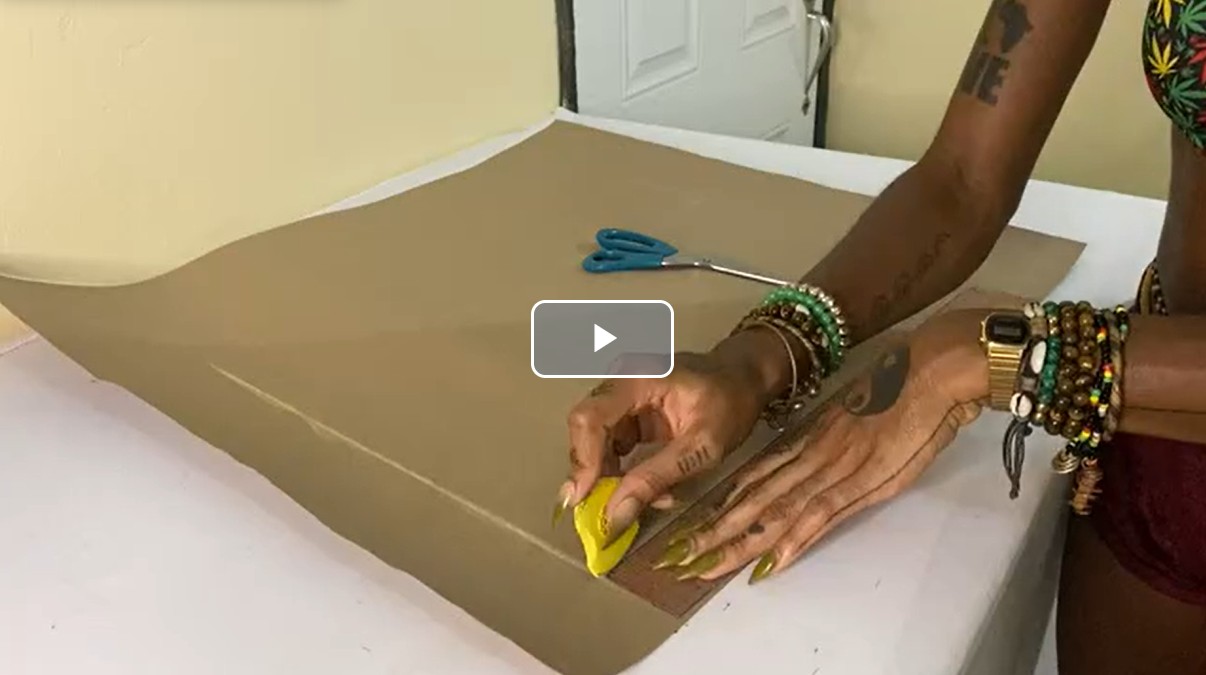
A make-up bag is a gift that works for almost anyone on your list, and this class guides you through cutting, assembling, and finishing a simple zippered or envelope-style pouch. Zippers are the part that scares beginners, and the class addresses that directly.
A handmade pouch in pretty fabric with a small embroidered motif on the front makes a thoughtful stocking stuffer or gift for a friend. You can also fill it with a few nice toiletries to make a complete present.
Best for: Stocking stuffers and small handmade gifts for friends and family.
Why I like it: It teaches zipper insertion on a small, low-risk project, which is exactly how you want to learn it.
Pairing idea: Sew a festive pouch and tuck it into a stocking, or gift it filled with a few beauty essentials.
- Learn zipper or envelope-style pouch construction
- Small project that finishes quickly
- Great for personalized gifts
18. Altering a Dress to Fit Tighter — Real-World Sewing Skills
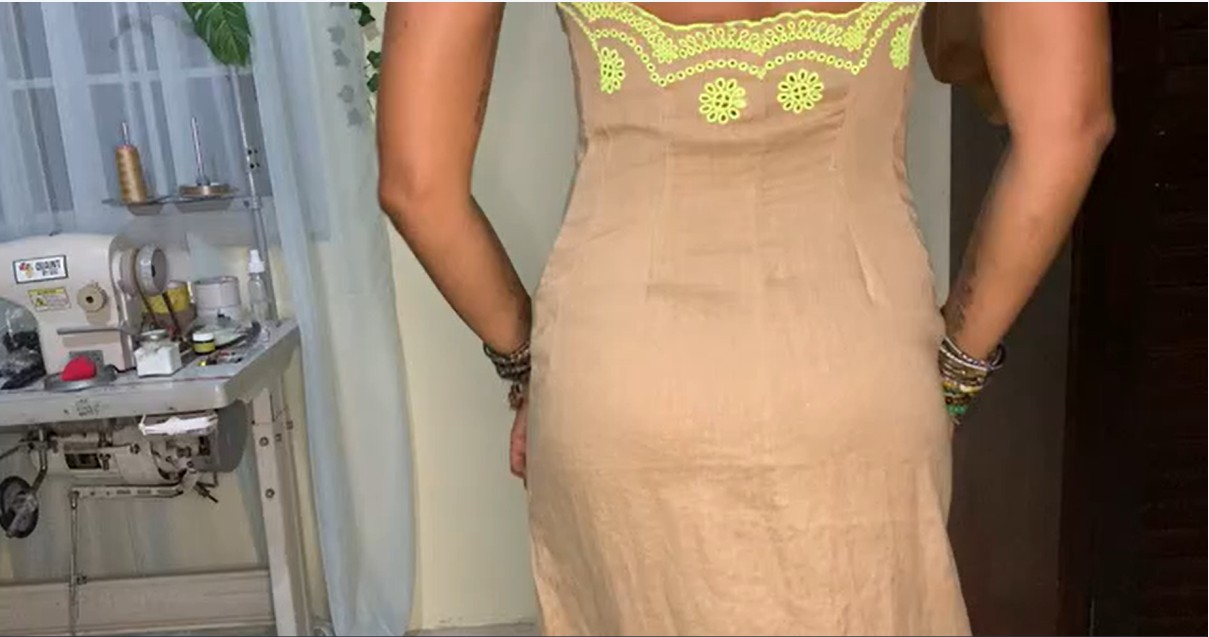
Taking in a dress is one of the most practical alterations you can learn, and this class covers pinning, sewing new seams, and finishing edges for a professional-looking result. With 72 favorites, it’s a class people turn to when they need to actually fix something.
Alterations are where sewing becomes immediately useful. Being able to adjust a dress to fit properly means you can buy secondhand or vintage pieces with confidence.
Best for: Beginners who want to alter existing garments rather than sew from scratch.
Why I like it: It solves a real problem with a clear technique you can repeat.
Pairing idea: Practice on a thrifted dress before altering something you love.
- Learn pinning and sewing new seams
- Finish edges for a professional look
- Practical skill for wardrobe adjustments
19. Make Your Own Stitch Pouch — A Gift for Fellow Makers
A stitch pouch is a small organizer for hand-sewing needles, threads, and tools. It’s one of those projects that’s both useful and satisfying, and with 119 favorites, it’s clearly a class people enjoy finishing.
For anyone who does hand embroidery or hand finishing, this is a genuinely practical item. It keeps your tools organized and portable, which matters if you sew in different places.
Best for: Handmade gifts for sewing and embroidery friends.
Why I like it: It’s a small project with a clear purpose, and it’s the kind of gift that gets used constantly.
Pairing idea: Fill it with a few nice needles and thread spools, then gift it to a friend who embroiders.
- Create a dedicated organizer for hand-sewing tools
- Simple, rewarding project for beginners
- Highly useful everyday item
20. How to Make a Mesh Produce Bag — Eco-Friendly Gift Pairing
Mesh fabric is unusual to work with, and this class teaches you how to handle it while making durable drawstring produce bags. It’s a quick project, which makes it ideal for batch-making gifts — five of these in an afternoon is realistic.
For a gift, a set of mesh produce bags paired with a nice cookbook or a farmers market gift card is genuinely useful. It’s the kind of present that gets used weekly.
Best for: Batch-making practical gifts and learning to sew with mesh fabric.
Why I like it: It’s fast, useful, and the kind of gift people actually keep using.
Pairing idea: Bundle a set with a reusable tote and a cookbook for a sustainable living gift.
- Learn to sew with mesh fabric
- Create durable drawstring closures
- Fast project for batch gift-making
21. Resizing a T-Shirt to a Crop Top — Upcycle Your Wardrobe
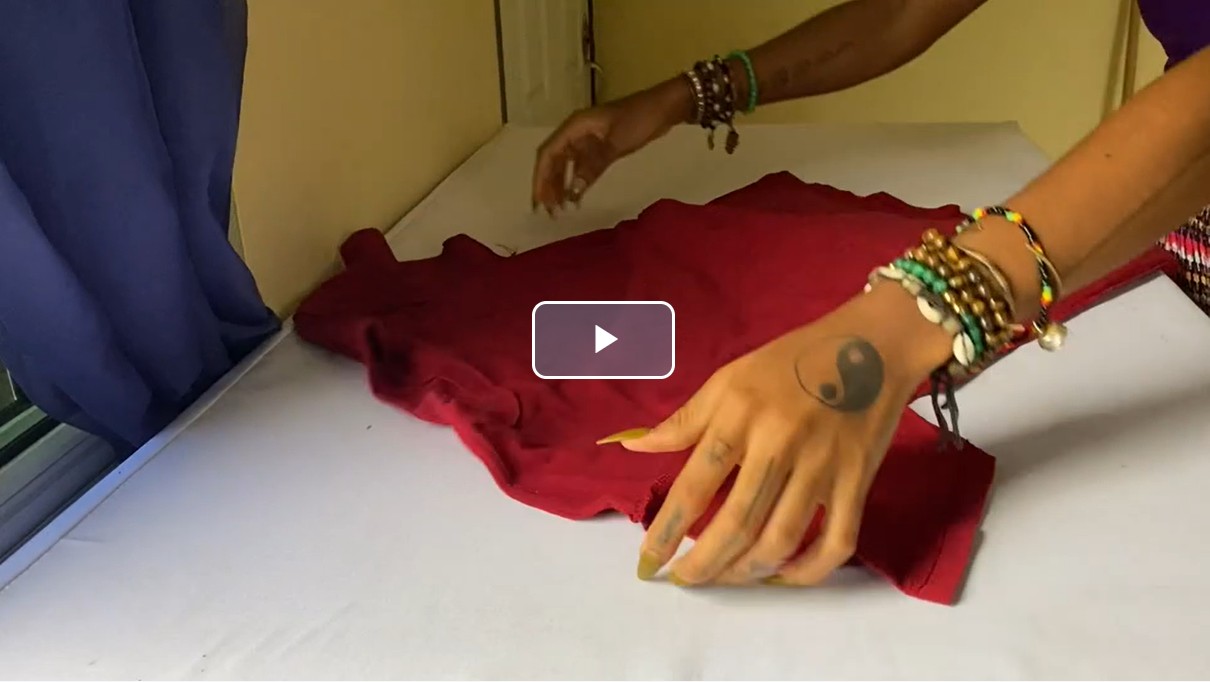
Transforming an oversized t-shirt into a crop top is a fun, low-stakes project that teaches measuring, cutting, and hemming. It’s the kind of upcycling that actually gets worn, and it builds confidence because you’re working with fabric that’s already sewn.
If you’ve been wanting to try garment sewing but aren’t ready to start from a pattern, this is a good entry point. You’re practicing the skills without the pressure of a full construction.
Best for: Beginners who want to try garment sewing through upcycling.
Why I like it: It’s a fast project with a wearable result, and it teaches you to see potential in existing clothes.
Pairing idea: Pair your new crop top with high-waisted jeans or a skirt for a complete outfit.
- Learn measuring, cutting, and hemming
- Create a wearable garment from an existing t-shirt
- Low-stakes introduction to garment sewing
22. Pattern Drafting in Adobe Illustrator for Beginners — The Digital Side of Sewing
This class bridges the gap between tech and textiles. It teaches you how to draft basic sewing patterns using Adobe Illustrator, which is how many indie designers create their PDF patterns. With 239 favorites, it’s one of the more popular picks here.
If you’ve ever wanted to design your own patterns or understand how digital patterns are made, this is the class. It’s not for absolute beginners who haven’t sewn yet, but if you’ve got basic skills and want to go deeper, it’s worth considering.
Best for: Sewists interested in digital pattern design and drafting.
Why I like it: It opens up a creative direction most sewing classes don’t touch — designing your own patterns.
Pairing idea: Draft a simple pattern for a garment you’d like to make, then sew it up to test your design.
- Learn digital pattern drafting basics
- Understand how PDF patterns are created
- Bridge sewing skills with design software
23. Sewing Monster Stuffies — Quirky Plush Construction
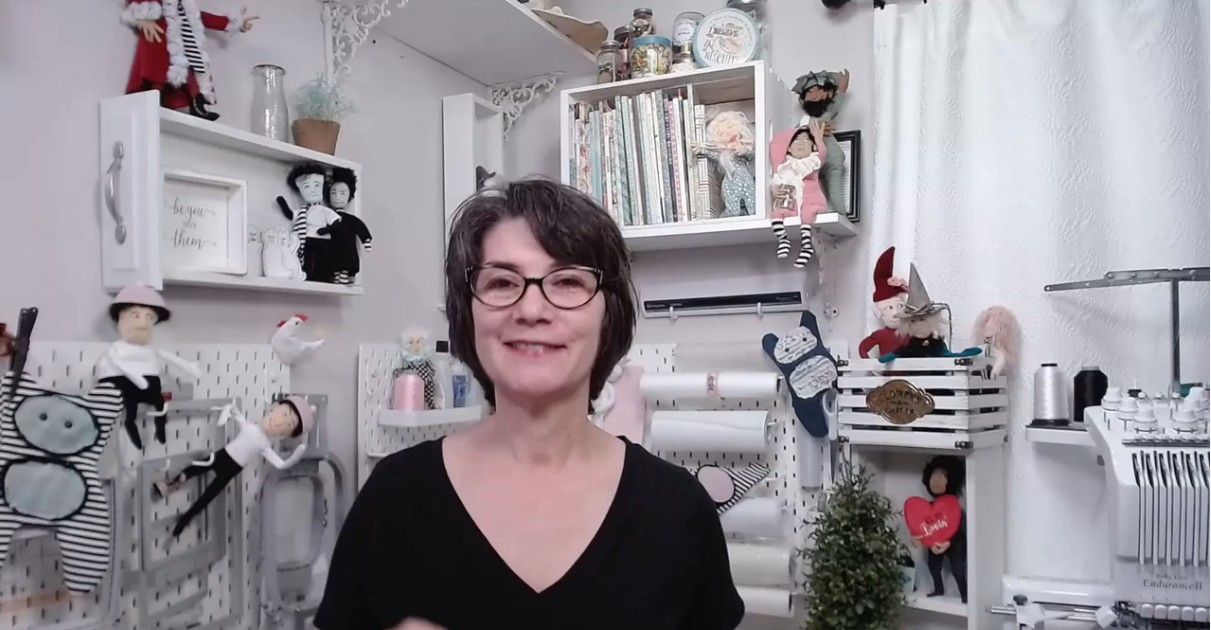
Monster stuffies are one of the best ways to learn plush construction. The class covers basic plush assembly, stuffing techniques, and simple embroidery details for faces. With 93 favorites, it’s clearly a class people enjoy.
If you’ve ever wanted to make a custom stuffed toy as a gift, this is the foundation. The embroidery details on the faces give each monster a personality you can’t get from a store-bought toy.
Best for: Crafters who want to make personalized plush gifts with embroidered details.
Why I like it: The embroidery details on the faces give each monster a personality you can’t buy.
Pairing idea: Stitch a monster in a favorite color and pair it with a matching cozy sweater for a kid’s gift.
- Learn plush construction from start to finish
- Practice stuffing techniques for a good shape
- Add embroidered facial details for character
24. Getting Started with Doll Clothes Sewing — Small-Scale Garment Skills
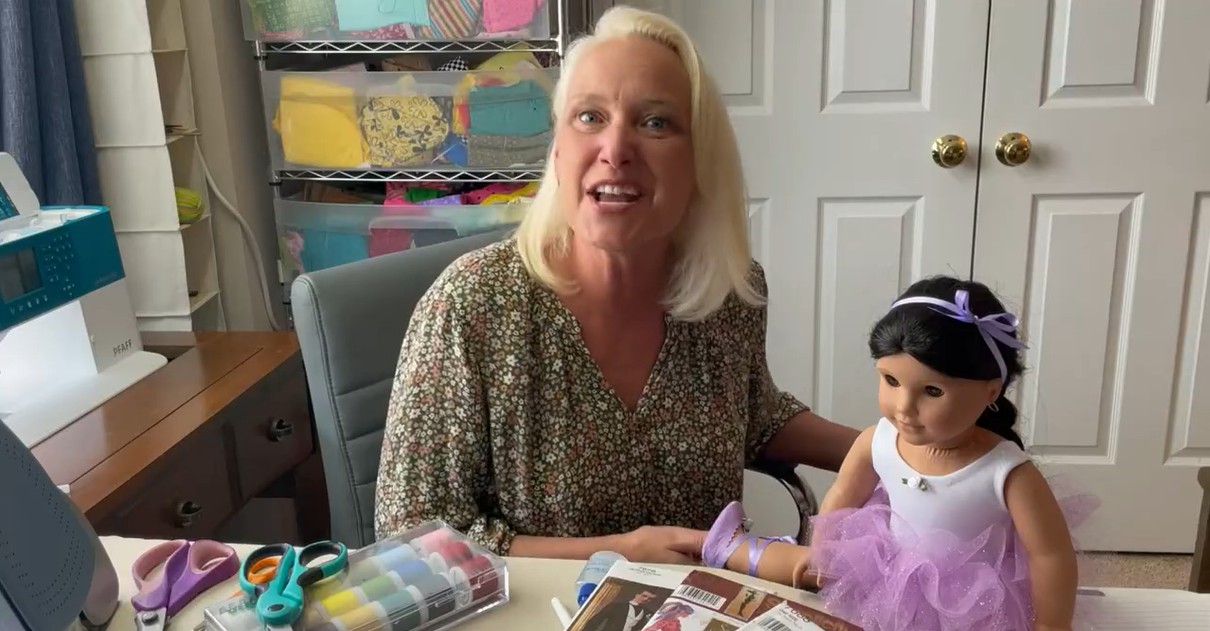
Doll clothes are a small-scale sewing project that builds real skills. This class introduces precise seam allowances and simple garment construction on a scale where every stitch shows. If you’ve got a child in your life who loves dolls, a handmade wardrobe is a gift that keeps giving.
The precision required here will make you a noticeably better sewist. Small-scale construction teaches you to be accurate without the pressure of expensive fabric.
Best for: Making handmade doll wardrobes and learning precision sewing.
Why I like it: Small-scale construction teaches you to be accurate without the pressure of expensive fabric.
Pairing idea: Sew a festive doll dress to match a child’s holiday outfit — a gift pairing that’s genuinely thoughtful.
- Learn small-scale garment construction
- Practice precise seam allowances
- Create a handmade doll wardrobe for gifts
25. Sewing a Hoodie for a Stuffed Animal or Teddy Bear — Tiny Garment Practice
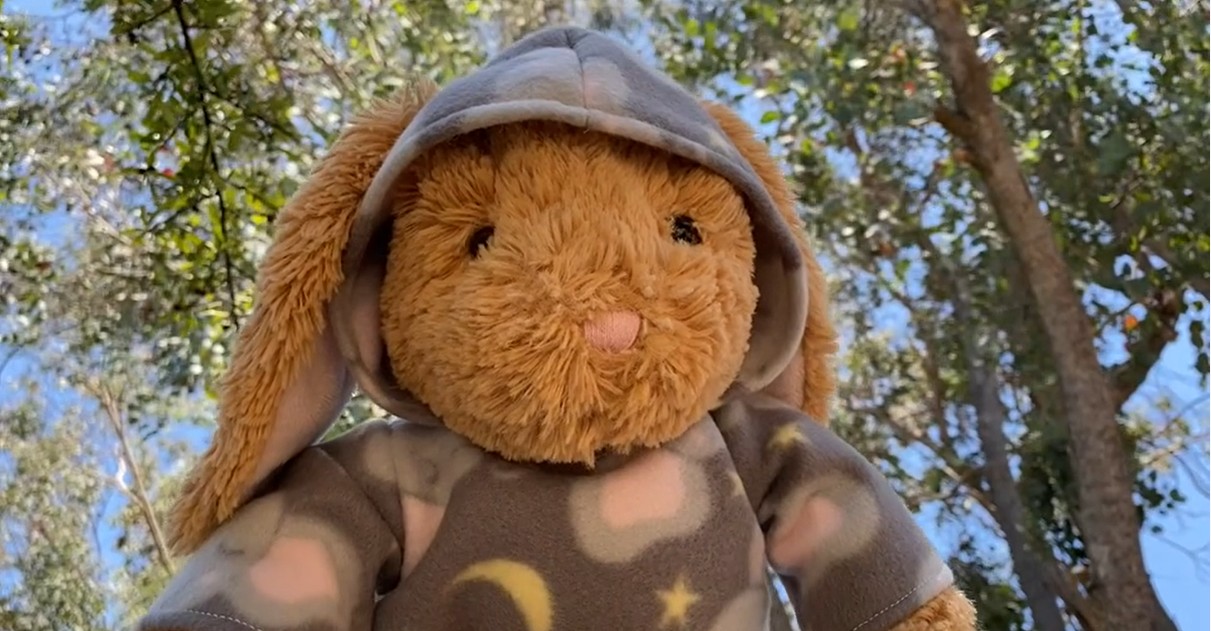
Sewing a miniature hoodie for a stuffed animal is deceptively good practice. You measure, cut, and sew a garment — just at a fraction of the scale. Small-scale sewing forces precision because there’s no room to hide a sloppy seam allowance.
It’s also just charming. A teddy bear in a tiny hoodie is a gift that lands well, and if you add a little embroidered detail or a monogram on the chest, it becomes something no store can replicate.
Best for: Practicing garment construction on a low-stakes, high-charm project.
Why I like it: The precision it teaches carries over to every other garment you’ll ever sew.
Pairing idea: Make a matching hoodie for the child and the teddy bear — a matching set that’s genuinely memorable.
- Learn measuring and cutting on a small scale
- Practice precise seam allowances
- Create a personalized gift with embroidered detail
26. Making Sublimation and Sewing Pillows — Personalized Holiday Pillows
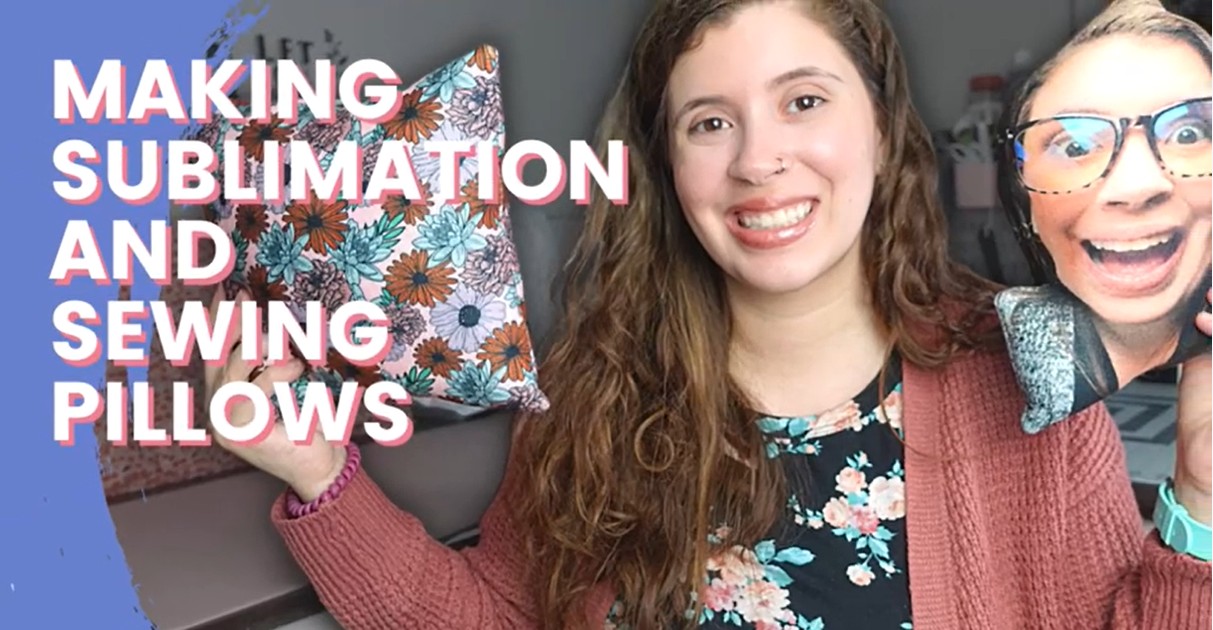
This is the pick for anyone who wants to combine custom graphics with sewing. You sew a blank pillow cover, then prepare it for sublimation transfers, which means you can put names, dates, family photos, or artwork onto a pillow you made yourself.
A custom pillow with a family name on it is the kind of gift that actually gets used and displayed. Once you understand the sublimation process, you can apply it to aprons, tote bags, and more.
Best for: Personalized gifts with custom graphics or family names.
Why I like it: It bridges two crafts — sewing and sublimation — into one finished product that feels genuinely custom.
Pairing idea: Make a set of these pillow covers for a holiday-themed living room refresh.
- Learn to sew a clean pillow cover
- Understand how to prepare fabric for sublimation
- Create fully personalized decor or gifts
27. Sewing Cute Pastel Chubby Christmas Birds — Festive Plush Decor
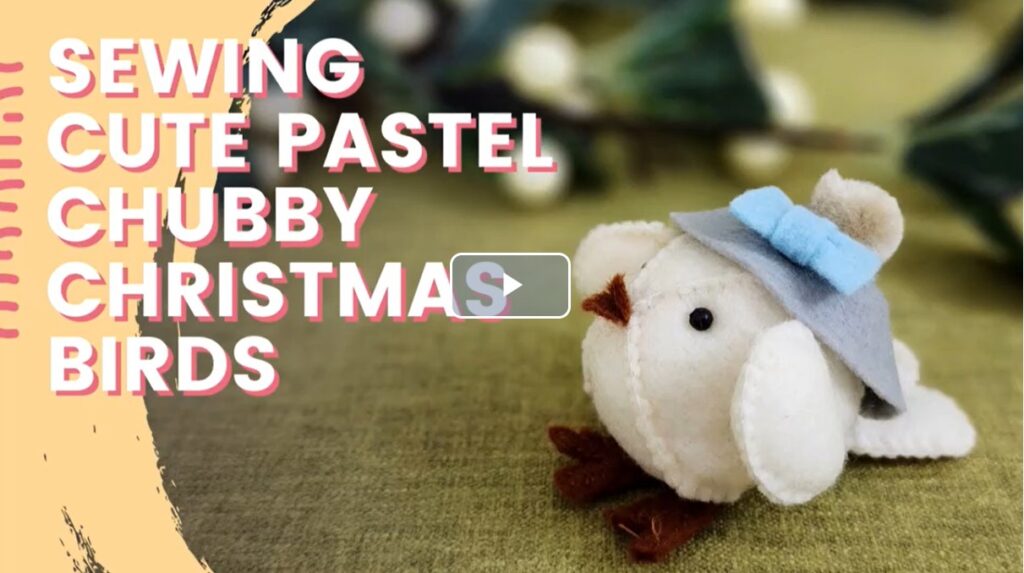
Pastel chubby Christmas birds are a soft, modern take on holiday decor. The class focuses on simple curved sewing, stuffing, and adding cute embellishments, which means you get practice with three separate skills in one project.
Curved sewing is one of those things that intimidates people until they’ve done it a few times, and a small plush bird is a low-pressure way to learn. The stuffing technique matters more than you’d think, too.
Best for: Makers who want a holiday-specific decorative project.
Why I like it: It’s genuinely festive without being generic, and the pastel palette makes it usable beyond December.
Pairing idea: Arrange a set on a mantel or give one as a small handmade gift paired with a cozy sweater.
- Practice simple curved sewing on a small project
- Learn stuffing techniques for a smooth shape
- Add embellishments to personalize each bird
How to Choose the Right Online Sewing Class for You
With 27 options here, the real question is where to start. Here’s how I’d think through it.
Start With Your Current Skill Level
If you’ve never touched a sewing machine, begin with classes that cover fundamentals — terminology, equipment, and machine basics. “Sew a Quick and Simple Pillow Case” and “Beginner Friendly Ways to Sew Cushions” are ideal first projects because they use straight seams and don’t require zippers or curved sewing. Skipping ahead to garment construction before you understand your machine leads to frustration, not progress.
Decide Whether You Want Skills or Projects
Some classes teach a specific finished item — a pouch, a cushion, an apron. Others teach a technique you’ll apply across many projects, like pattern reading, hand stitching, or bag strap construction. If you want immediate output, pick a project class. If you want to build skills that pay off for years, pick a technique class. Ideally, do both.
Match the Project to What You Want to Make
Some people learn best by making garments. Others want bags, home decor, or gifts. If you’re drawn to clothing, start with “Taking Measurements for Garment Making” and “Resizing a T-Shirt to a Crop Top.” If bags appeal to you, the zipper pouch classes and wristlet are excellent entry points. Matching your first project to your interests keeps you motivated.
Check Whether You Need a Machine
Most of these classes assume access to a sewing machine, though some focus on hand sewing or alterations. If you don’t have a machine yet, “Hand Sewing for Beginners” is a good starting point. If you do have one but don’t understand it, “Serger Quick Start Guide” covers the overlocker specifically, while the project classes reinforce machine skills as you go.
Think About What You’ll Actually Finish
A tote bag takes longer than a set of cushion covers. A garment involves fitting and multiple sessions. Be realistic about how much time you can dedicate, especially for your first project. Completing something small and useful builds more momentum than abandoning a complex project halfway through.
What You Can Create With These Online Sewing Classes
The skills you pick up from these classes extend far beyond the specific projects they teach. Here’s what becomes possible once you’ve built a foundation.
Everyday Wearables
Once you understand basic garment construction, you can make simple tops, skirts, pajama pants, and casual dresses. Measurement knowledge from “Taking Measurements for Garment Making” ensures things actually fit. The t-shirt resizing class is a low-stakes introduction to working with knit fabrics and hemming.
Functional Accessories
Bags of all kinds become achievable: totes, wristlets, zipper pouches, and project bags. The zipper pouch classes teach you to install zippers, while “How to Make Different Types of Bag Straps and Handles” ensures your finished bags hold up. The stitch pouch is a practical organizer that’s also a great gift.
Home Decor and Organization
Cushion covers, pillowcases, plant pot covers, and throw pillows are all within reach. The cushion classes teach applique and basic construction, while the plant pot cover reinforces cylindrical sewing and hemming. These projects transform a room without requiring complex techniques.
Gifts and Upcycled Projects
Baby toys, make-up bags, mesh produce bags, and plush monsters all make thoughtful gifts. The upcycling classes — dress alteration, waist tightening, t-shirt resizing — specifically focus on transforming clothes you already own, which is both sustainable and budget-friendly.
Building Toward More Complex Projects
Every technique in this list — seam finishes, zipper insertion, fabric handling, pattern reading — is a building block. Once you’re comfortable with these basics, patterns that once seemed impossible (a lined dress, a fitted shirt, a quilt) become approachable. The goal isn’t to master everything at once; it’s to accumulate skills until projects you never imagined become routine.
💬 Frequently Asked Questions
Do I need a sewing machine to take these beginner classes?
Most of these classes focus on machine sewing and assume you have access to one, though “Hand Sewing for Beginners” doesn’t require a machine. If you’re starting completely from zero, begin with a simple project class like the pillowcase or cushion covers to learn your machine as you sew. If you already own a machine, the serger guide and project classes will help you use it confidently.
How long does it take to learn to sew from scratch?
You can complete a simple project like a pillowcase or cushion cover within a few hours of focused practice. Building genuine confidence with your machine and basic techniques typically takes a few weeks of regular sewing. These classes are self-paced, so you can move as quickly or slowly as your schedule allows. Consistent practice matters more than long sessions.
What supplies do I need for my first online sewing class?
At minimum, you’ll need a sewing machine, thread, fabric scissors, pins or clips, and an iron. Different classes specify different materials — check each class description before starting. For project-based classes, the materials list tells you exactly what to buy. Starting with a theory-focused class first can help you understand what equipment you actually need.
Are online sewing classes as good as in-person lessons?
Online classes have real advantages for beginners: you can pause, rewind, and rewatch steps as many times as you need. There’s no pressure to keep up with a group, and you can practice at your own pace. The main trade-off is that no one is physically there to correct your posture or catch mistakes immediately. For foundational skills, video instruction works extremely well.
Which class should I take first if I’ve never sewn before?
Start with “Sew a Quick and Simple Pillow Case” or “Beginner Friendly Ways to Sew Cushions” — both use straight seams and produce finished projects quickly. Once you’re comfortable with your machine, move to “Sewing Patterns 101” to learn pattern reading, then choose a project based on what you want to make. Resist the urge to skip the foundation.
Can I learn to sew without buying expensive equipment?
Yes. The mesh produce bag and upcycled projects use inexpensive or repurposed materials. You can often find sewing machines secondhand, and many basic supplies are affordable. Starting with projects that use fabric you already have or can source cheaply keeps initial costs low while you build skills.
Final Thoughts: Where to Begin Your Sewing Journey
Learning to sew is less about natural talent and more about finding the right instruction. The classes in this list were chosen because they meet beginners where they are — no assumptions, no jargon without explanation, and no projects that require skills you haven’t learned yet.
If you’re starting completely from scratch, my strongest recommendation is the combination of “Sew a Quick and Simple Pillow Case” followed by “Beginner Friendly Ways to Sew Cushions.” Those two classes give you the foundation that makes everything else make sense. From there, pick a project that excites you — the zipper pouch if you want to learn zippers, the apron if you want something useful for the kitchen, or the plush toys if you want to make gifts.
For beginners who want a single class that covers the most ground, “Sewing Patterns 101: Learn to Read Sewing Patterns” is hard to beat. It’s the most popular class here for a reason — pattern literacy is what separates people who follow tutorials from people who can sew anything they find.
And if you’re drawn to home decor, the cushion and pillowcase classes are a satisfying way to see your skills transform a room.
The best class is the one you’ll actually start. Pick one, gather your supplies, and give yourself permission to make mistakes. That’s how everyone learns.
You may also like:
Quick note: Some of the links in this article are affiliate links. This means that if you choose to make a purchase, I will earn a tiny commission that goes towards more fabric and thread for my next DIYs. Of course, this is at no extra cost to you. Thank you for supporting SewFinder!💋