15 Best Sewing Classes for Beginners: Learn to Sew From Scratch
I remember the first time I sat down at a sewing machine. My hands were shaking, the thread kept tangling, and I had absolutely no idea what I was doing. If you’re reading this, you’re probably somewhere in that same place — curious about sewing, maybe a little intimidated, and wondering where to even start.
That’s exactly why I put together this list of sewing classes for beginners. I’ve spent years teaching people how to sew, and I’ve seen firsthand which lessons actually help new sewists build confidence. The classes below aren’t about fancy techniques or advanced couture. They’re about the fundamentals: understanding your machine, choosing the right fabric, and completing projects that make you feel like you can actually do this.
I selected these fifteen classes based on how well they match what absolute beginners need. Relevance mattered more to me than popularity — a class with a hundred favorites isn’t useful if it assumes you already know how to thread a bobbin. I looked for clear instruction, practical projects, and topics that cover the real questions beginners ask before they even touch a machine.
Whether you want to learn to sew from scratch, make your first garment, or finally figure out what all those sewing machine parts actually do, there’s something here for you.
Quick Navigation: Jump to Any Sewing Class
- 1. What to Know Before Learning to Sew
- 2. Sewing Machine Quick Start Guide
- 3. How to Sew a Double-Sided Minky Baby Blanket
- 4. 5 Types of Sewing Machine Seam Finishes
- 5. Sewing a Beach Bag with Pockets
- 6. Sewing a T-Shirt
- 7. Sewing Sustainable Kitchen Products
- 8. Learning All About Woven Fabrics
- 9. Learning All About Knit Fabrics
- 10. Turning Jeans into Denim Tote Bags
- 11. Sewing Reusable Tote Bags
- 12. Learn How to Create an in-Seam Pocket for Beginners
- 13. 6 Uses for Bias Tape
- 14. Make an Easy, Affordable & Fun Shoulder Bag
- 15. Measuring, Cutting and Sewing Curtains from Scratch
My Top Picks
- Best Overall for Absolute Beginners: What to Know Before Learning to Sew — covers the terminology and equipment basics before you even touch a machine.
- Best for Getting Your Machine Running: Sewing Machine Quick Start Guide — walks you through every part of your machine and how to thread it properly.
- Best First Project: Sewing a T-Shirt — a complete garment made simple enough for someone who’s never sewn a seam.
Top 15 Sewing Classes for Beginners
1. What to Know Before Learning to Sew — Build Confidence First
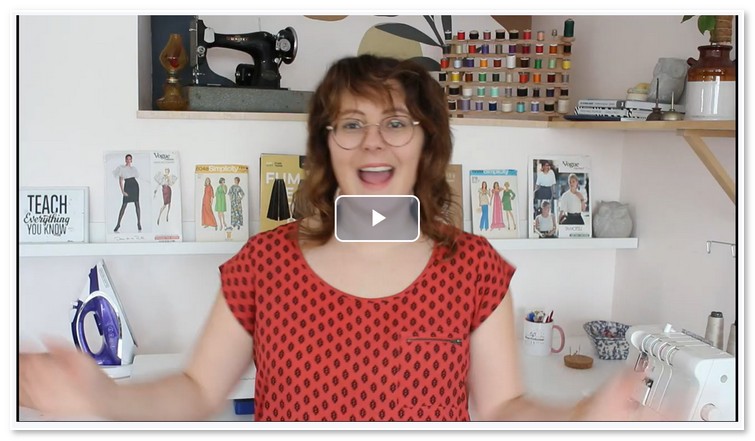
Starting something new is always a bit intimidating, and sewing has a language all its own. This class addresses that head-on by walking you through basic terminology, the equipment you’ll actually need, and the methods used in a sewing room — all before you even sit down at a machine.
For absolute beginners who feel overwhelmed by the sheer amount of information out there, this is the grounding you need. It’s not a project class; it’s a preparation class. And honestly, that’s exactly what many people skip, then wonder why they feel lost later.
Best for: Complete beginners who want to understand what they’re getting into before spending money on supplies.
Why I like it: It treats confidence as a skill you build, not something you magically have. That perspective makes the rest of your sewing journey much smoother.
- Covers sewing terminology so you understand what patterns and tutorials are telling you
- Explains equipment basics without overwhelming you
- Perfect first step before investing in a machine or fabric
2. Sewing Machine Quick Start Guide — Finally Understand Your Machine
Most sewing machines come with a manual that reads like it was written by an engineer who’s never taught a human being. This class fills that gap. It covers the parts of a sewing machine, the different types of needles, essential tools and accessories, how to thread properly, and the basic stitch operations you’ll use constantly.
Whether you already own a machine that’s been sitting in a closet or you’re trying to figure out which one to buy, this gives you the foundation. Threading the machine correctly is one of those things that seems impossible until someone shows you the right way — and then you never forget.
Best for: Anyone who owns a sewing machine but hasn’t quite figured out how to use it confidently.
Why I like it: It demystifies the machine without being condescending. You’ll actually understand what tension is and why it matters.
- Learn to thread your machine and wind a bobbin correctly
- Understand needle types and when to use each
- Covers basic stitch operations you’ll use for every project
3. How to Sew a Double-Sided Minky Baby Blanket — A Gift-Worthy First Project
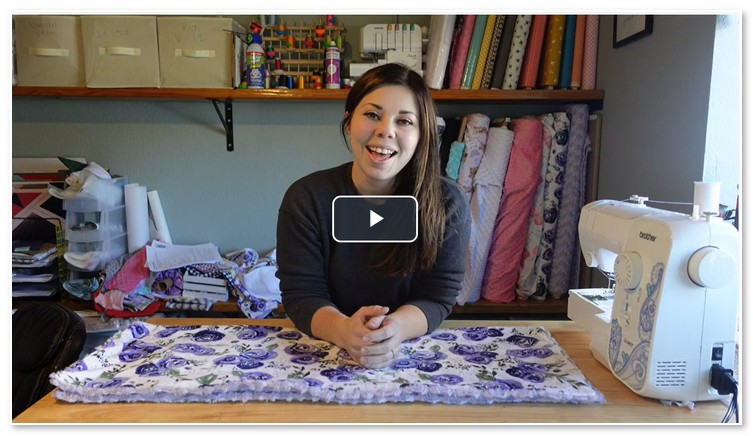
Minky fabric has a reputation for being slippery and frustrating, but this beginner-friendly class breaks it down into manageable steps. Instructor Kayla Krische walks you through tools, pinning techniques, measuring, cutting, and even optional name embroidery.
What makes this a smart early project is that it produces something genuinely useful — a baby blanket makes a wonderful gift for showers, new babies, or just because. Working with two different Minky fabrics teaches you how to handle fabrics that behave differently, which is a skill you’ll need for everything else.
Best for: Beginners who want to make a meaningful handmade gift while learning fabric handling techniques.
Why I like it: It tackles a fabric that scares most beginners and proves that with the right approach, you can work with anything.
- Learn pinning techniques specific to slippery fabrics
- Practice measuring and cutting with accuracy
- Create a finished project that makes a thoughtful gift
4. 5 Types of Sewing Machine Seam Finishes — Professional-Looking Edges Made Simple
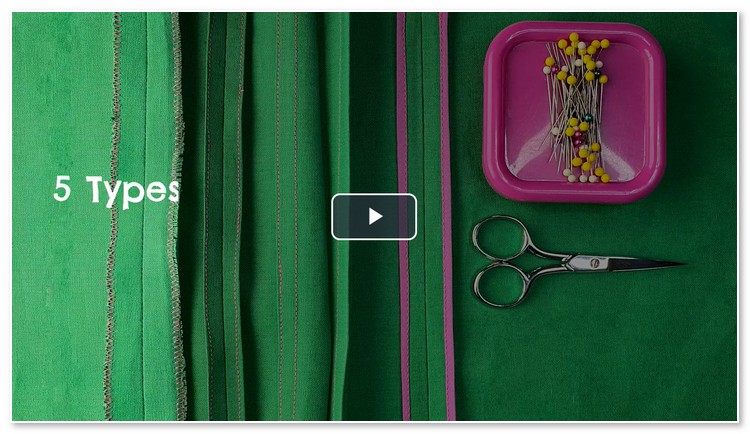
Raw edges are one of those things beginners often ignore until they see their finished project starting to fray. This class from Mary covers her five favorite seam finishing methods, explaining which applications each one works best for.
You’ll need a standard sewing machine, an iron, thread, some test swatches, and bias tape for binding. That’s it. The focus is entirely on technique, which means you can practice these finishes on scraps until they feel natural before applying them to real projects. This is the kind of class that elevates your work from “homemade” to “handmade with skill.”
Best for: Beginners who want their projects to look professional and hold up over time.
Why I like it: It teaches you not just how to do something, but when and why to use each method.
- Learn five different seam finishing techniques
- Understand which finishes work best for different fabrics and projects
- Practice on swatches before applying to garments or accessories
5. Sewing a Beach Bag with Pockets — Functional Summer Sewing
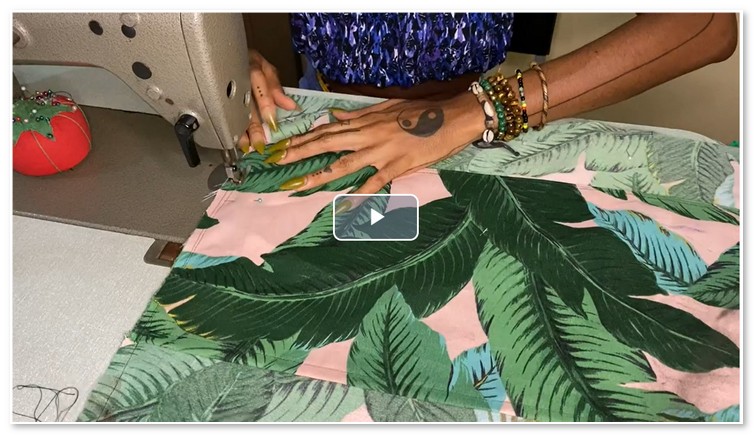
Bag projects are ideal for beginners because they’re forgiving — there’s no fitting involved, and if a seam is slightly crooked, nobody’s going to notice when it’s full of sunscreen and towels. This class guides you through the entire process from cutting fabric to final topstitching.
The result is a spacious beach bag with handy pockets, which means you get practice with multiple techniques: creating pockets, constructing a lining, attaching handles, and adding topstitching. It’s a complete project that teaches a lot without feeling overwhelming.
Best for: Beginners who want a satisfying, useful project they can actually use all summer.
Why I like it: It’s practical. You finish the class with something you’ll genuinely reach for.
- Complete bag construction from start to finish
- Learn to create and attach functional pockets
- Practice topstitching for a professional finish
6. Sewing a T-Shirt — Your First Garment Made Easy
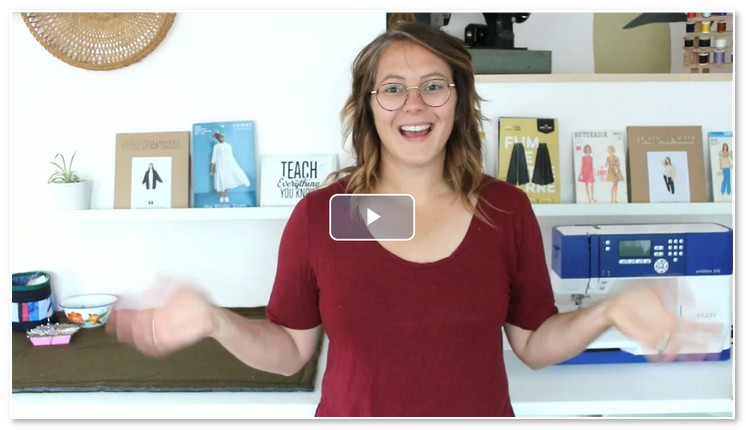
Making your first garment is a milestone, and a t-shirt is a smart choice because it doesn’t require complex fitting. This class covers measuring, cutting, and assembling your own custom tee from scratch. The instructor, Kate, teaches a quick step-by-step process for sewing a knit fabric t-shirt using a pattern included with the class.
Knit fabric can be intimidating because it stretches, but that’s exactly why learning to work with it early is valuable. Once you understand how to handle knits, a whole category of comfortable, wearable projects opens up.
Best for: Beginners ready to move beyond accessories and make something they can wear.
Why I like it: A t-shirt is the gateway garment. It builds confidence for everything from dresses to pajamas.
- Learn to sew with stretchy knit fabric without frustration
- Complete a wearable garment from pattern to finish
- Practice hemming and neckband construction
7. Sewing Sustainable Kitchen Products — Eco-Friendly Beginner Projects
If you’re drawn to sewing partly because you want to reduce waste, this class speaks your language. You’ll create cloth napkins, bowl covers, and other kitchen items that replace disposables, all while practicing straight-line sewing.
Straight seams are the foundation of everything, and this class gives you plenty of chances to sew them while making things you’ll actually use daily. It’s a great reminder that sewing isn’t just a hobby — it’s a practical skill that can shift how your household operates.
Best for: Eco-conscious beginners who want their sewing to have a practical impact.
Why I like it: Every project reinforces basic straight-line sewing, which is the skill you’ll use most.
- Create reusable kitchen items that reduce household waste
- Practice consistent straight-line sewing
- Projects that are quick enough to finish in one sitting
8. Learning All About Woven Fabrics — Know Your Material Before You Cut
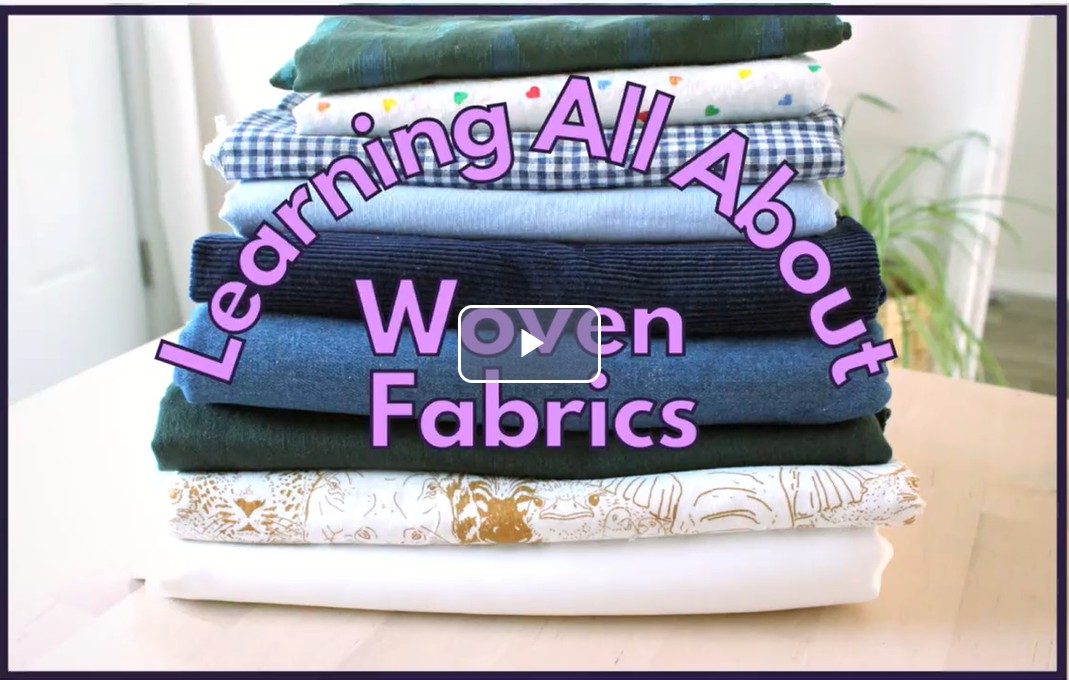
Fabric choice can make or break a project, and woven fabrics are where most beginners start. This class covers the basics: different types of wovens, their weights, grainlines, and how to handle and cut them properly.
Understanding grainline alone will improve your sewing dramatically. Cutting fabric off-grain is one of the most common beginner mistakes, and it leads to garments that twist or don’t hang right. Learning this early saves you from a lot of frustration later.
Best for: Beginners who want to understand fabric before investing in yardage for projects.
Why I like it: It’s the knowledge that separates people who struggle with fabric from people who work with it confidently.
- Understand different woven fabric types and their best uses
- Learn about grainlines and why they matter for cutting
- Discover how fabric weight affects your project choices
9. Learning All About Knit Fabrics — Demystify Stretchy Materials
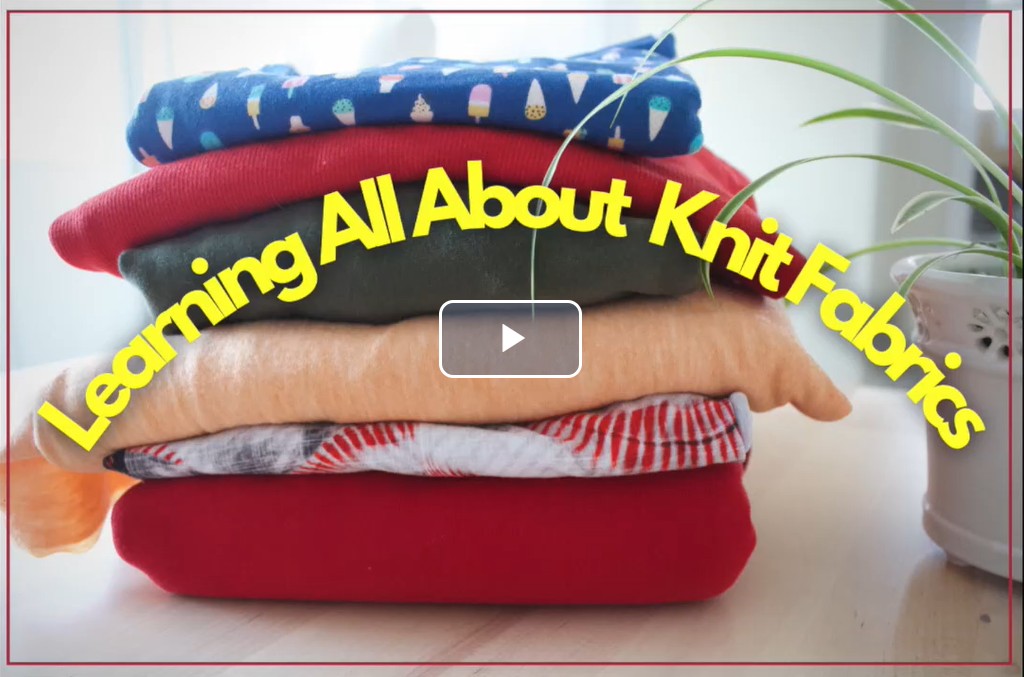
Knit fabrics scare a lot of beginners, and honestly, they scared me too at first. This class is a beginner-friendly guide to identifying, cutting, and sewing stretchy fabrics without frustration. It covers which needles and stitches to use — information that makes an enormous difference in how your projects turn out.
Once you understand knits, you can make t-shirts, leggings, dresses, and all the comfortable clothing that makes up most people’s daily wardrobes. Avoiding knits entirely limits what you can sew, so this class is worth taking early.
Best for: Beginners who want to sew comfortable, wearable clothing without fighting their fabric.
Why I like it: It turns a source of anxiety into a skill you can rely on.
- Learn to identify different types of knit fabrics
- Understand which needles and stitches work best for stretchy materials
- Practice cutting and sewing knits without frustration
10. Turning Jeans into Denim Tote Bags — Sustainable Upcycling Project
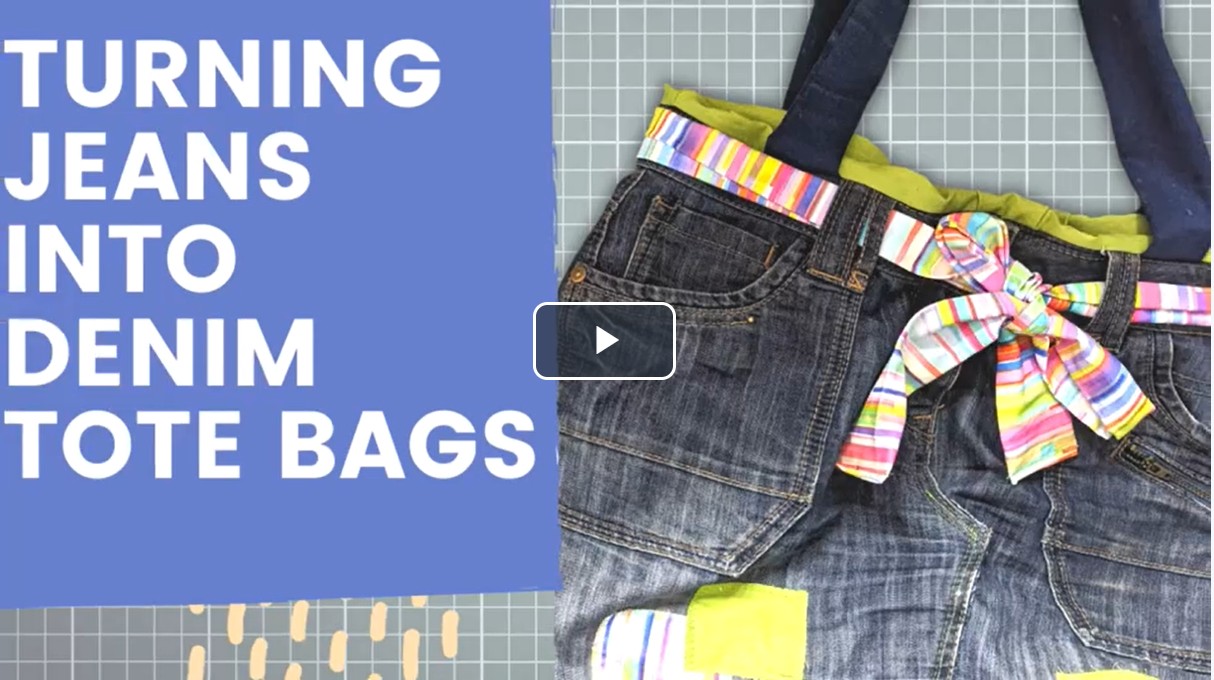
Old jeans are one of the best materials for beginner projects. They’re sturdy, they don’t fray as badly as some fabrics, and they’re free if you already have a worn-out pair. This class shows you how to measure, cut, and sew thick denim into durable tote bags.
Sewing denim teaches you how to handle heavier fabrics, which requires a bit more patience and the right needle. Once you’ve worked with denim, lighter fabrics feel easy by comparison. Plus, you’re keeping textiles out of landfills, which is always a win.
Best for: Beginners interested in upcycling and sustainable sewing practices.
Why I like it: It transforms something you’d otherwise throw away into something useful and stylish.
- Learn to sew with thick, sturdy denim fabric
- Practice measuring and cutting with repurposed materials
- Create a durable bag from an old pair of jeans
11. Sewing Reusable Tote Bags — A Classic First Project
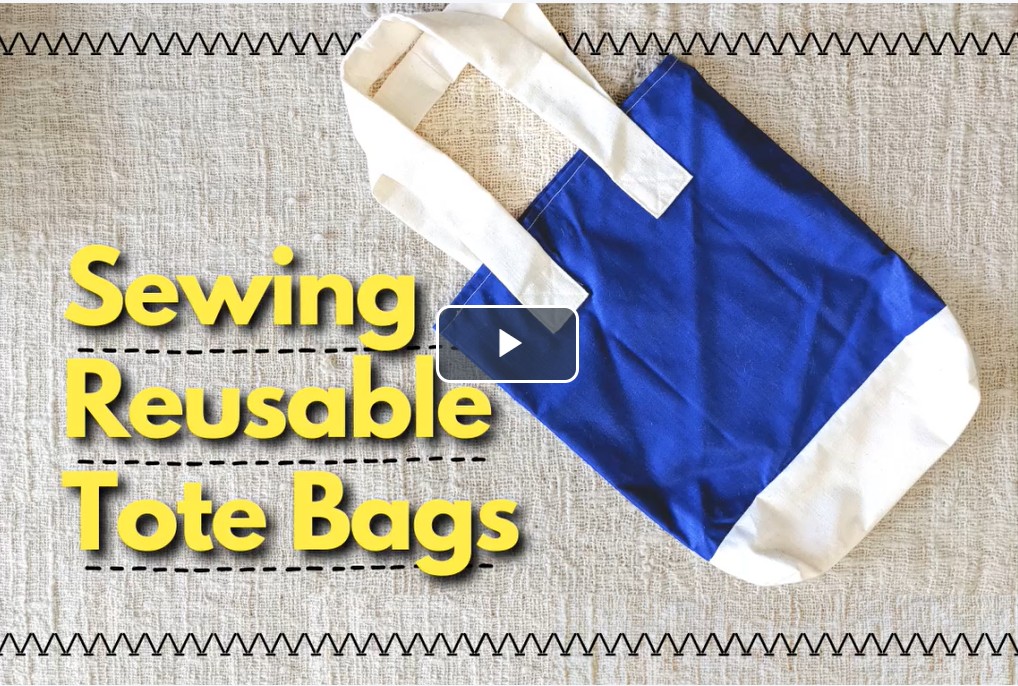
Tote bags are a rite of passage for beginner sewists, and for good reason. They teach you the basics — cutting, sewing straight seams, attaching handles — in a project that doesn’t require fitting or complex construction. This class guides you through the step-by-step process of creating a sturdy tote for everyday use.
There’s something satisfying about making your own bag and then using it for groceries or library books. It’s a small daily reminder that you made that thing with your own hands.
Best for: True beginners who want a confidence-building project with immediate practical use.
Why I like it: It’s the perfect blend of simple and useful. You’ll finish it in a sitting and use it for years.
- Learn basic construction for a functional bag
- Practice cutting fabric accurately and sewing consistent seams
- Create something you’ll actually carry every week
12. Learn How to Create an in-Seam Pocket for Beginners — Invisible Functionality
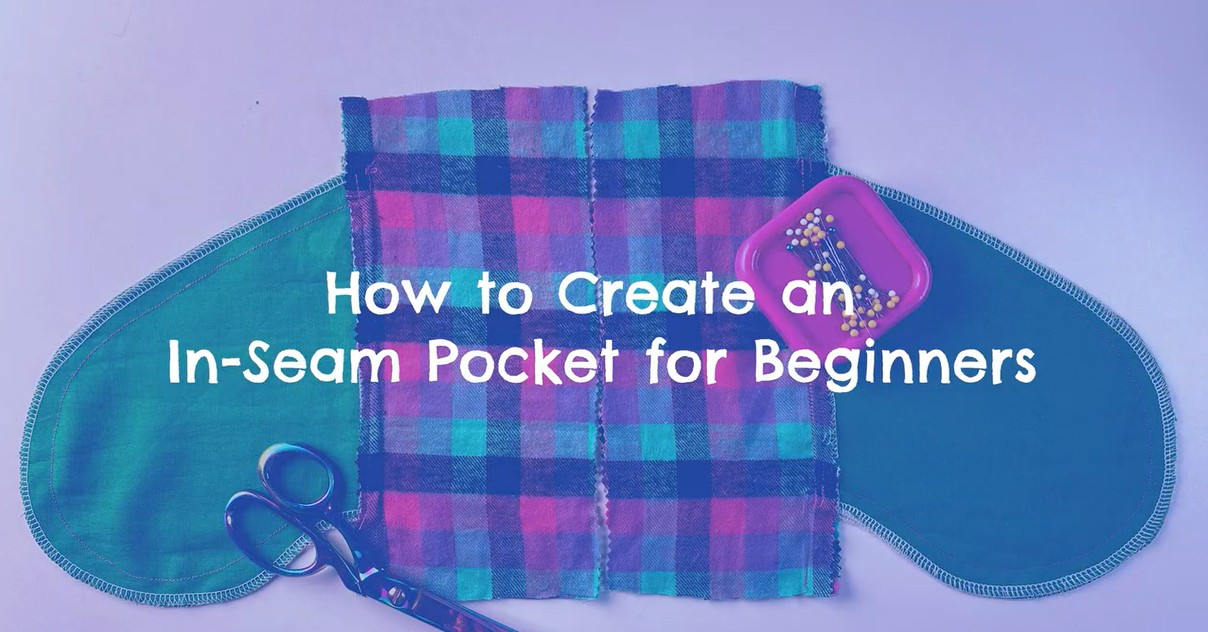
In-seam pockets are one of those techniques that look complicated but are surprisingly straightforward once someone shows you the steps. This class makes mastering them easy, clear, and stress-free — exactly what beginners need when tackling a new skill.
Pockets add functionality to dresses, skirts, and pants, and they’re often the difference between a garment feeling homemade versus professionally finished. Learning this technique early means you can add pockets to almost anything you sew.
Best for: Beginners who want to add professional details to their garments.
Why I like it: It’s a small skill that makes a big difference in how polished your projects look.
- Learn a technique that adds function to garments
- Step-by-step instruction designed specifically for beginners
- Applicable to dresses, skirts, pants, and more
13. 6 Uses for Bias Tape — One Notion, Many Possibilities
Bias tape is one of those things you see in fabric stores and wonder, “What do people actually do with this?” This class answers that question by demonstrating six practical and decorative ways to use it — finishing raw edges, creating straps, and adding style.
It’s a short, focused class that expands your understanding of what’s possible with basic sewing supplies. You don’t need to master all six uses immediately; just knowing they exist gives you options when you’re problem-solving on a project.
Best for: Beginners who want to get more comfortable with sewing notions and finishes.
Why I like it: It reveals how a simple strip of fabric can solve multiple problems in one project.
- Discover six different ways to use bias tape
- Learn techniques for finishing raw edges professionally
- Understand how to create straps and decorative details
14. Make an Easy, Affordable & Fun Shoulder Bag — Bag Construction Basics
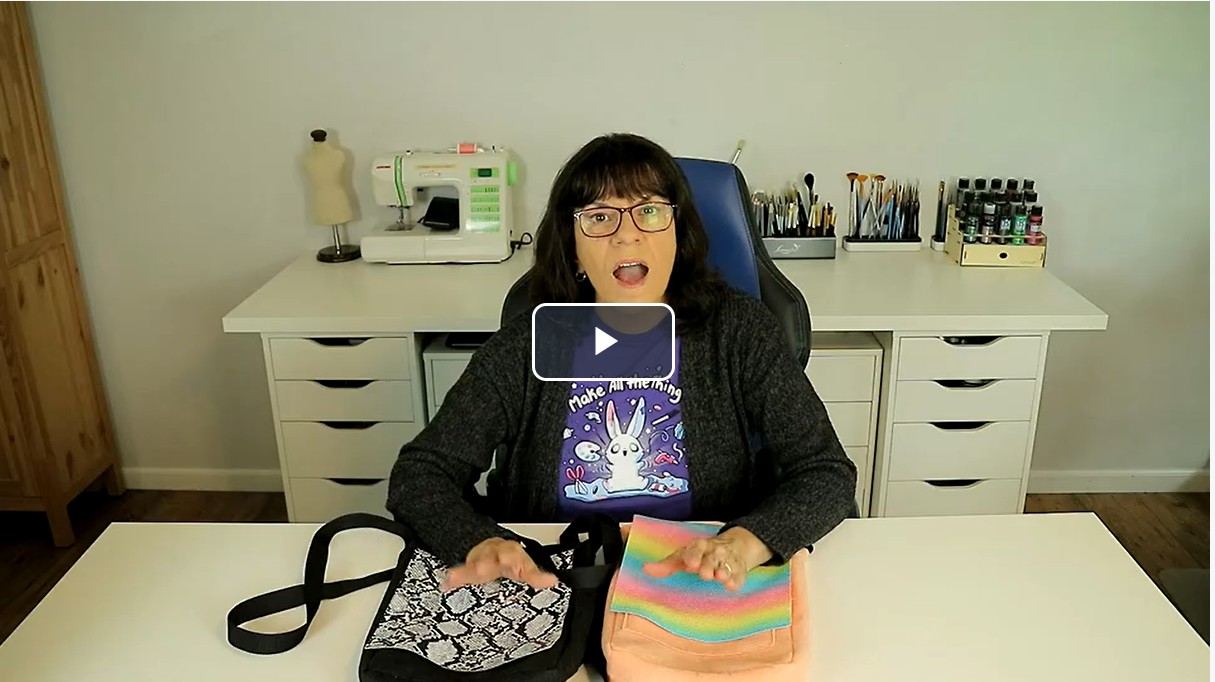
This class focuses on the basics of bag construction: attaching straps, adding a simple lining, and assembling the pieces into a finished shoulder bag. It’s easy to follow and produces a stylish result without requiring expensive materials.
Lining a bag is a skill worth learning early because it makes the inside of your project look finished and professional. Plus, a lined bag is sturdier and holds its shape better than an unlined one.
Best for: Beginners who want to learn bag-making with a simple, accessible project.
Why I like it: It builds on basic skills and introduces lining, which elevates any bag project.
- Learn to construct a bag with a proper lining
- Practice attaching straps securely
- Create a functional accessory without complex techniques
15. Measuring, Cutting and Sewing Curtains from Scratch — Home Decor Confidence
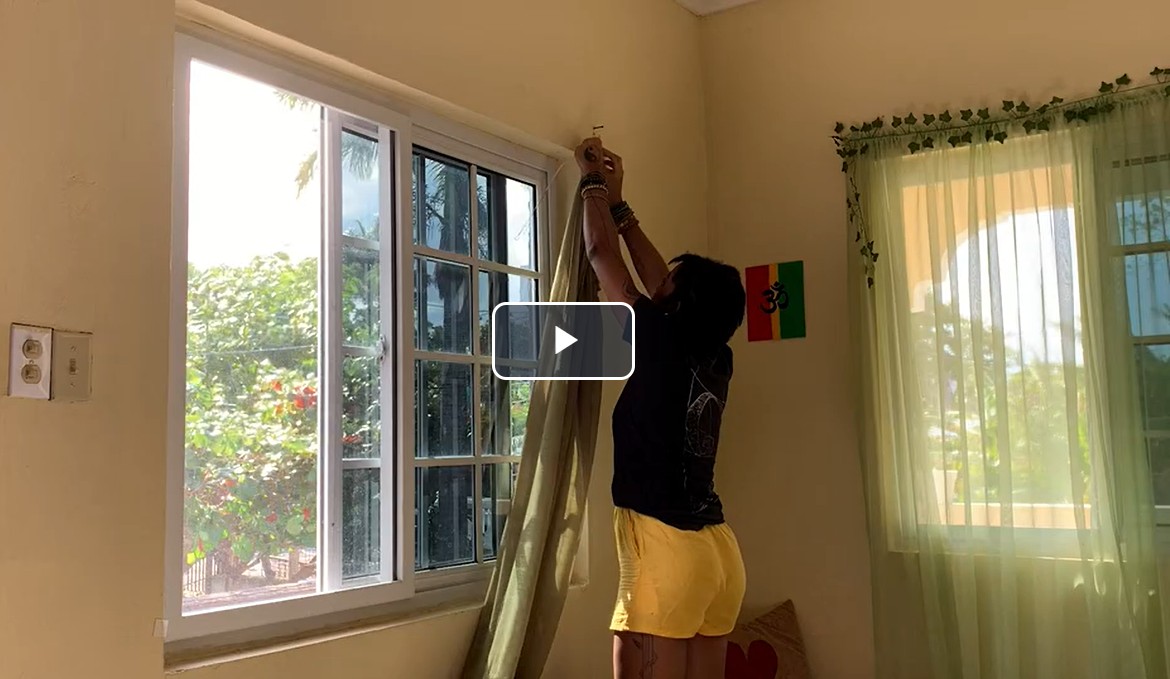
Custom curtains can cost a fortune, but they’re essentially large rectangles with hemmed edges. This class covers accurate measuring, straight cutting, and sewing techniques for window treatments that look professionally made.
It’s a great final project for a beginner because it reinforces everything you’ve learned — measuring, cutting, sewing long straight seams, and hemming — at a larger scale. And the result transforms a room in a way that smaller projects can’t.
Best for: Beginners ready to tackle a home decor project with real visual impact.
Why I like it: It proves that sewing skills apply far beyond clothing and accessories.
- Learn to measure windows accurately for custom curtains
- Practice cutting and sewing long straight seams
- Create professional-looking window treatments for your home
How to Choose the Right Sewing Class for You
With fifteen options in front of you, the question becomes: where do you actually start? The answer depends on what you already know and what you want to make first.
Start With Your Current Skill Level
If you’ve never touched a sewing machine, begin with a class that covers fundamentals — terminology, equipment, and machine basics. “What to Know Before Learning to Sew” and “Sewing Machine Quick Start Guide” exist precisely for this stage. Skipping ahead to project classes before you understand your machine leads to frustration, not progress.
Consider What You Want to Make
Some people learn best by making garments. Others want to create bags, home decor, or gifts. If you’re drawn to clothing, start with “Sewing a T-Shirt” or “Learning All About Knit Fabrics.” If bags appeal to you, the beach bag or tote bag classes are excellent entry points. Matching your first project to your interests keeps you motivated through the learning curve.
Look for Step-by-Step Structure
Beginner classes should be structured sequentially, with each lesson building on the last. A good sewing class doesn’t assume you already know what a bobbin is or how to pin fabric properly. The best beginner sewing video tutorials explain not just what to do, but why you’re doing it.
Check Whether Materials Are Included
Some classes include patterns or reference materials; others expect you to supply everything yourself. Before enrolling, check what’s provided and what you’ll need to gather. If you’re not ready to buy fabric and supplies, start with theory-focused classes and work up to project-based ones.
Match the Project to Your Available Time
A t-shirt takes longer than a set of cloth napkins. A curtain project involves large pieces of fabric and significant hemming. Be realistic about how much time you can dedicate, especially for your first project. Completing something small and useful builds more momentum than abandoning a complex project halfway through.
What You Can Create With These Sewing Classes
The skills you pick up from these classes extend far beyond the specific projects they teach. Here’s what becomes possible once you’ve built a foundation.
Everyday Wearables
Once you understand how to sew a t-shirt, you can make almost any basic knit garment — leggings, simple dresses, pajama pants, and casual tops. Knit fabric knowledge from the dedicated class opens this entire category. The t-shirt class specifically teaches neckband construction and hemming, techniques that apply to countless garments.
Functional Accessories
Bags of all kinds become achievable: tote bags, shoulder bags, project bags, and beach bags. The bag construction classes teach you to attach straps, add linings, and create pockets — all skills that transfer to any bag pattern. The in-seam pocket class is particularly valuable here, since pockets make bags more useful.
Home Decor and Organization
Curtains, cloth napkins, bowl covers, and reusable kitchen items are all within reach after these classes. The sustainable kitchen products class directly teaches these projects, while the curtain class shows you how to apply measuring and cutting skills at a larger scale.
Gifts and Upcycled Projects
Baby blankets, tote bags made from old jeans, and bias tape-finished items all make thoughtful gifts. The upcycling classes specifically focus on transforming materials you already have into something new, which is both sustainable and budget-friendly.
Building Toward More Complex Projects
Every technique in this list — seam finishes, fabric handling, pattern layout, pocket construction — is a building block. Once you’re comfortable with these basics, patterns that once seemed impossible (a lined dress, a fitted shirt, a quilt) become approachable. The goal isn’t to master everything at once; it’s to accumulate skills until projects you never imagined become routine.
💬 Frequently Asked Questions
Do I need a sewing machine to take these beginner classes?
Most of these classes focus on machine sewing and assume you have access to one, though some — like the pre-machine basics class — don’t require a machine. If you’re starting completely from zero, the “What to Know Before Learning to Sew” class is a good way to prepare before you invest in equipment. If you already own a machine, the Quick Start Guide will help you use it confidently.
How long does it take to learn to sew from scratch?
You can complete a simple project like a tote bag or cloth napkins within a few hours of focused practice. Building genuine confidence with your machine and basic techniques typically takes a few weeks of regular sewing. The classes here are self-paced, so you can move as quickly or slowly as your schedule allows. The key is consistent practice, even in short sessions.
What supplies do I need for my first sewing class?
At minimum, you’ll need a sewing machine, thread, fabric scissors, pins or clips, and an iron. Different classes specify different materials — check each class description before starting. For project-based classes, the materials list tells you exactly what to buy. Starting with a theory-focused class first can help you understand what equipment you actually need before spending money.
Are online sewing classes as good as in-person lessons?
Online classes have real advantages for beginners: you can pause, rewind, and rewatch steps as many times as you need. There’s no pressure to keep up with a group, and you can practice at your own pace. The main trade-off is that no one is physically there to correct your posture or catch mistakes immediately. For foundational skills, though, video instruction works extremely well.
Which class should I take first if I’ve never sewn before?
Start with “What to Know Before Learning to Sew” to build vocabulary and understand equipment. Then take the “Sewing Machine Quick Start Guide” to learn your machine. After that, choose a first project based on what you want to make — the tote bag, beach bag, or sustainable kitchen products are all beginner-friendly options. Resist the urge to skip the foundation; it saves time in the long run.
Can I learn to sew without buying expensive equipment?
Yes. The sustainable kitchen products class and the upcycled denim tote class use inexpensive or repurposed materials. You can often find sewing machines secondhand, and many basic supplies are affordable. Starting with projects that use fabric you already have or can source cheaply keeps initial costs low while you build skills.
Final Thoughts: Where to Begin Your Sewing Journey
Learning to sew is less about natural talent and more about finding the right instruction. The classes in this list were chosen because they meet beginners where they are — no assumptions, no jargon without explanation, and no projects that require skills you haven’t learned yet.
If you’re starting completely from scratch, my strongest recommendation is the combination of “What to Know Before Learning to Sew” followed by the “Sewing Machine Quick Start Guide.” Those two classes give you the foundation that makes everything else make sense. From there, pick a project that excites you — the t-shirt if you want to wear your creations, the beach bag if you want something useful for summer, or the sustainable kitchen products if you want quick wins that reduce waste.
For beginners who want a single class that covers the most ground, “Sewing a T-Shirt” is hard to beat. It teaches you to work with knits, construct a garment, and finish seams — skills that apply to dozens of future projects.
And if you’re drawn to home decor, the curtain class is a satisfying way to see your skills transform a room.
The best class is the one you’ll actually start. Pick one, gather your supplies, and give yourself permission to make mistakes. That’s how everyone learns.
You may also like:
Quick note: Some of the links below are affiliate links. This means that if you choose to make a purchase, I will earn a tiny commission that goes towards more fabric and thread for my next DIYs. Of course, this is at no extra cost to you. Thank you for supporting SewFinder! 💋